
【Daily-Use Water Support for the 2026 Kumamoto Earthquake】140 Units Consolidated in Kumamoto from 44 Municipalities and 2 Organizations Nationwide; Release of “WOTA 2026 Kumamoto Earthquake Response Fact Sheet (Third Preliminary Report)” Summarizing Results of Inter-Municipal Wide-Area Mutual Aid via JWAD
— Disclosing the utilization records of equipment collected nationwide and key challenges for future disaster response —
WOTA extends its heartfelt sympathies to all those affected by the 2026 Kumamoto Earthquake.
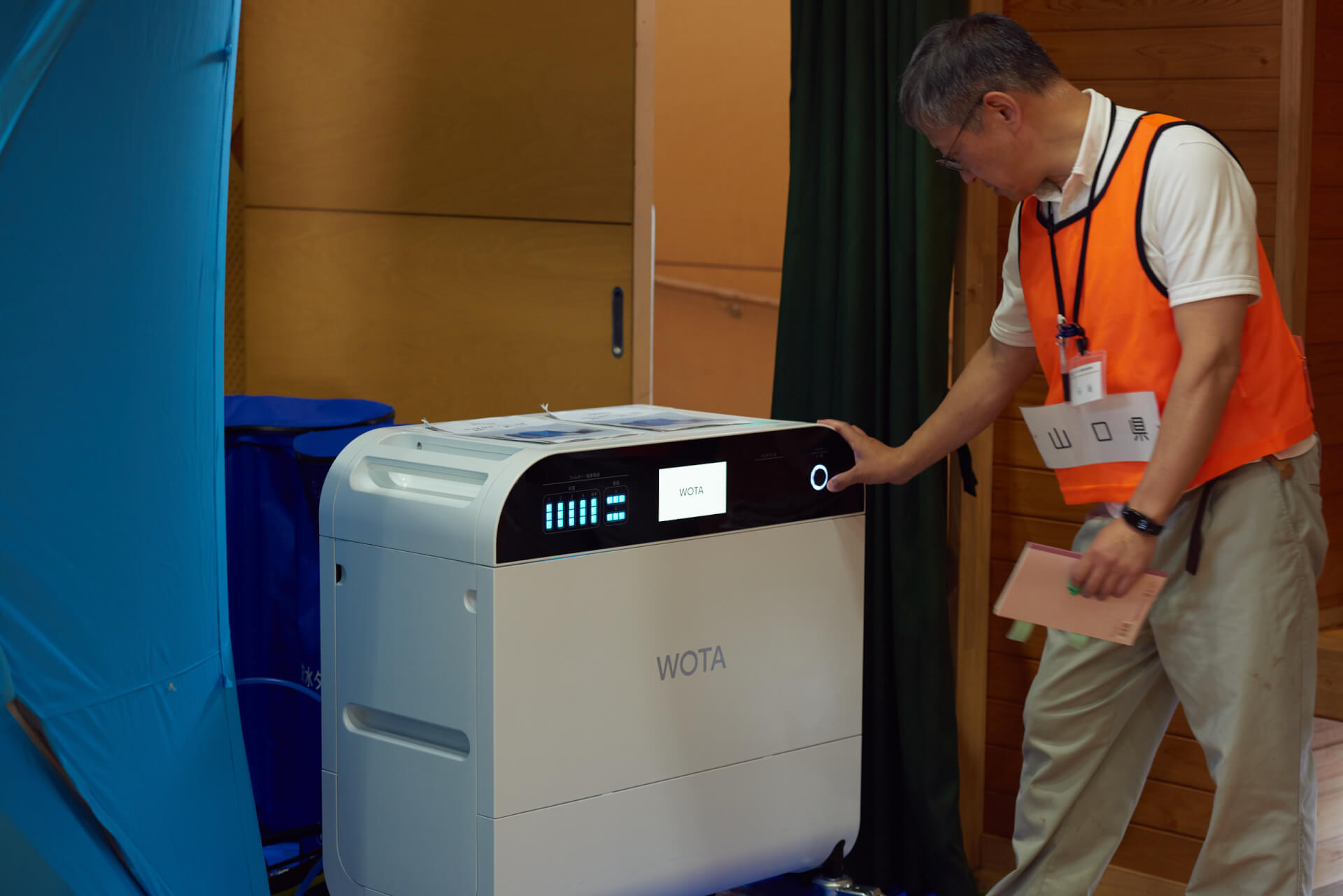
Following the 2026 Kumamoto Earthquake and an official request from Kumamoto Prefecture, WOTA Corp. (Headquarters: Chuo-ku, Tokyo; Representative Director & CEO: Yosuke Maeda; hereinafter “WOTA”) has been providing emergency water supply using the Water-Recycling Shower “WOTA BOX” and Water-Regenerating Handwashing Stand “WOSH” at evacuation centers and other sites in areas affected by water outages.
In response to the official request for cooperation from Kumamoto Prefecture, 140 units from 44 local governments and 2 organizations nationwide were consolidated in Kumamoto Prefecture as of August 17 via the wide-area mutual aid mechanism operated and coordinated by JWAD (Japan Water Association for Disaster), based on the “Agreement on Wide-Area Mutual Aid of Daily-Use Water Equipment and Materials in Times of Disaster.” The collected equipment has been sequentially deployed to evacuation centers across Kumamoto Prefecture according to local support needs, providing essential bathing and handwashing assistance. Today, WOTA released the “WOTA 2026 Kumamoto Earthquake Response Fact Sheet (Third Preliminary Report),” which details the collection and utilization records of equipment from local governments, traceability from providers to deployment sites, shifts in initial cost-coverage assumptions, and subsequent changes in local demand.
During the initial response, support demand exceeding 100 units was identified not only at evacuation centers but also at medical and welfare facilities. On the understanding that support for these facilities could also be deployed with public funding under the Disaster Relief Act and other frameworks, JWAD proceeded with equipment consolidation with these needs in mind.
However, during subsequent consultations with relevant agencies regarding specific eligible facilities and expense items, it became clear that certain support efforts could not be accommodated under public funding arrangements. Concurrently, local demand changed as water service was restored and facility equipment was repaired.
This Fact Sheet outlines the achievements and future challenges of wide-area mutual aid—including shifts in cost-coverage assumptions and demand, differing deployment conditions and response speeds between evacuation centers and medical/welfare facilities, and the status of standby equipment.
By disclosing both achievements and challenges, WOTA aims to foster the establishment of a more rapid and effective wide-area mutual aid system.
■ “WOTA 2026 Kumamoto Earthquake Response Fact Sheet (Third Preliminary Report)”
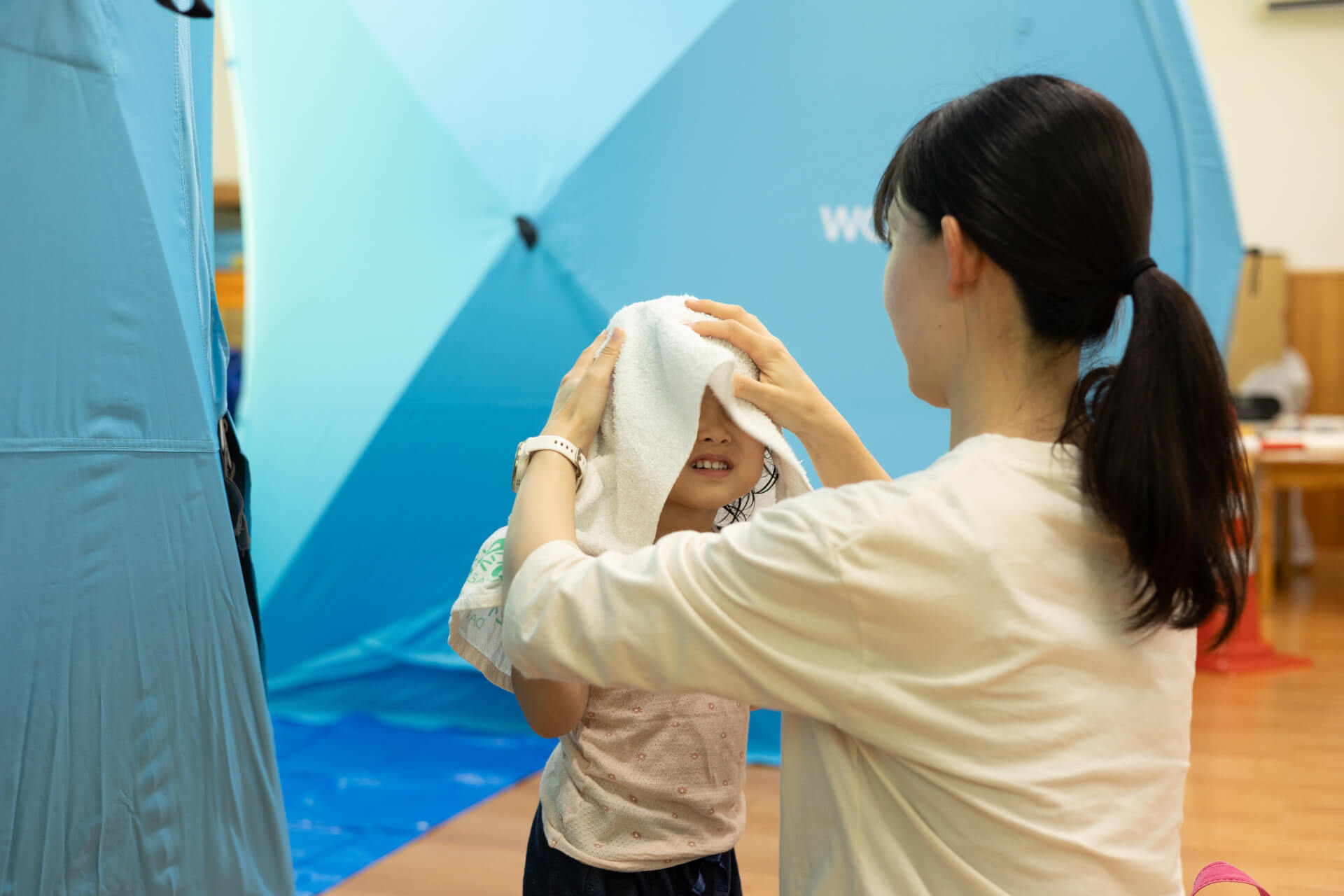
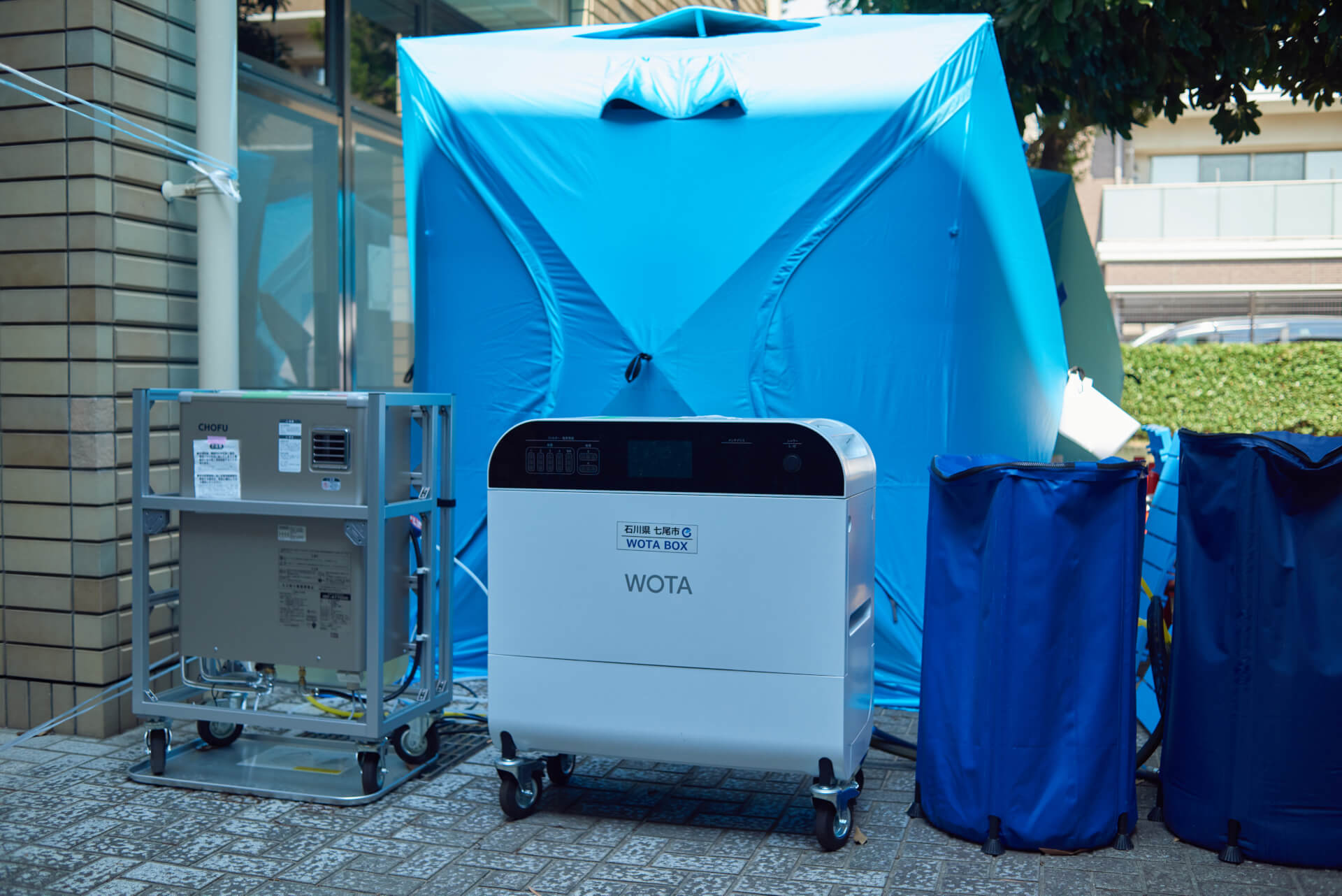
JWAD Wide-Area Mutual Aid Operational in Disaster Zones: 140 Units Consolidated Across Prefectural Borders from 44 Municipalities and 2 Organizations Nationwide
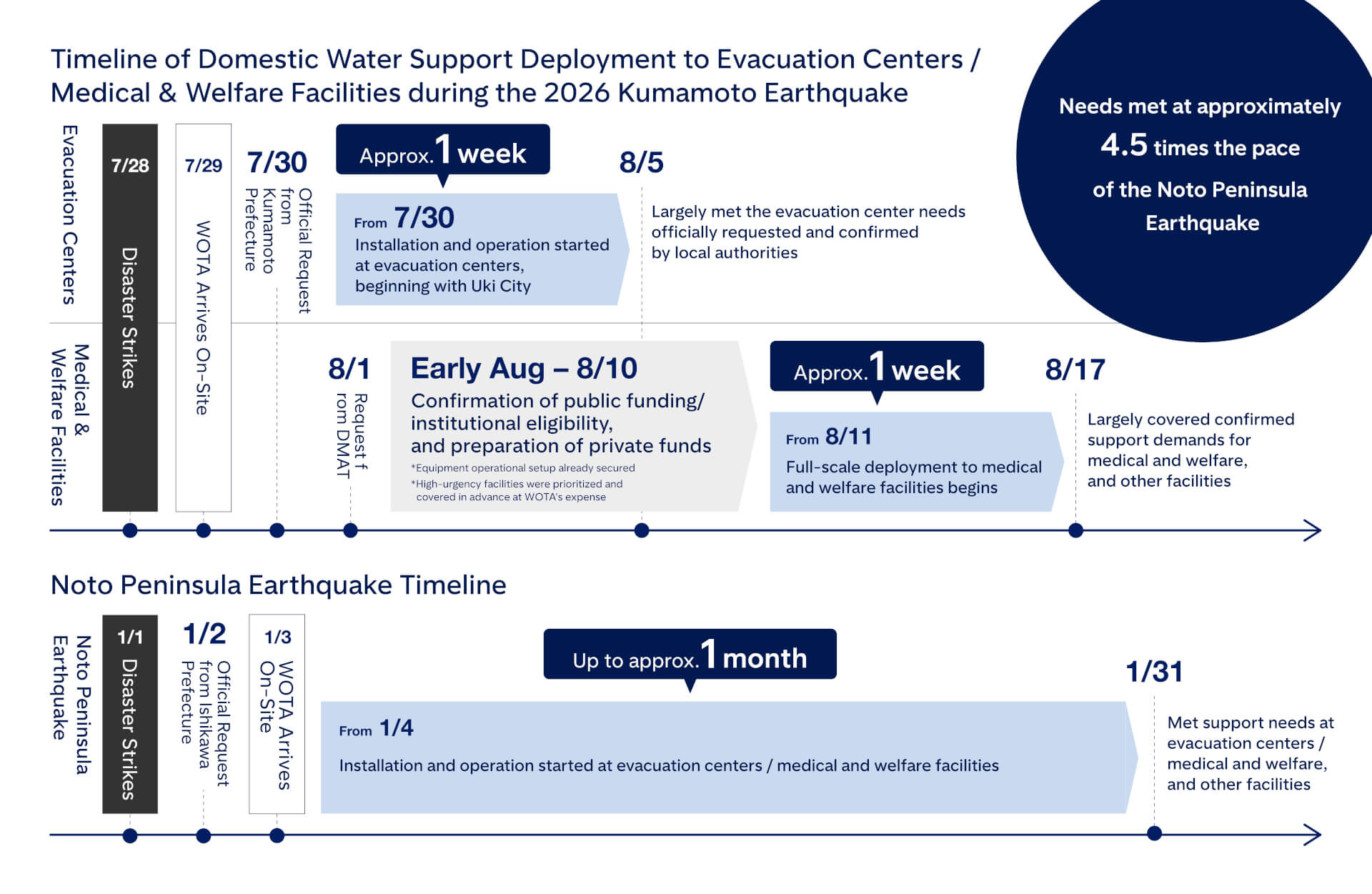
During the 2024 Noto Peninsula Earthquake, where water outages were prolonged, WOTA consolidated approximately 300 shower units from across Japan to the affected areas. However, because identifying equipment locations scattered nationwide, matching them with local needs, and coordinating transport had to be handled individually, deploying units to evacuation centers required up to approximately one month.
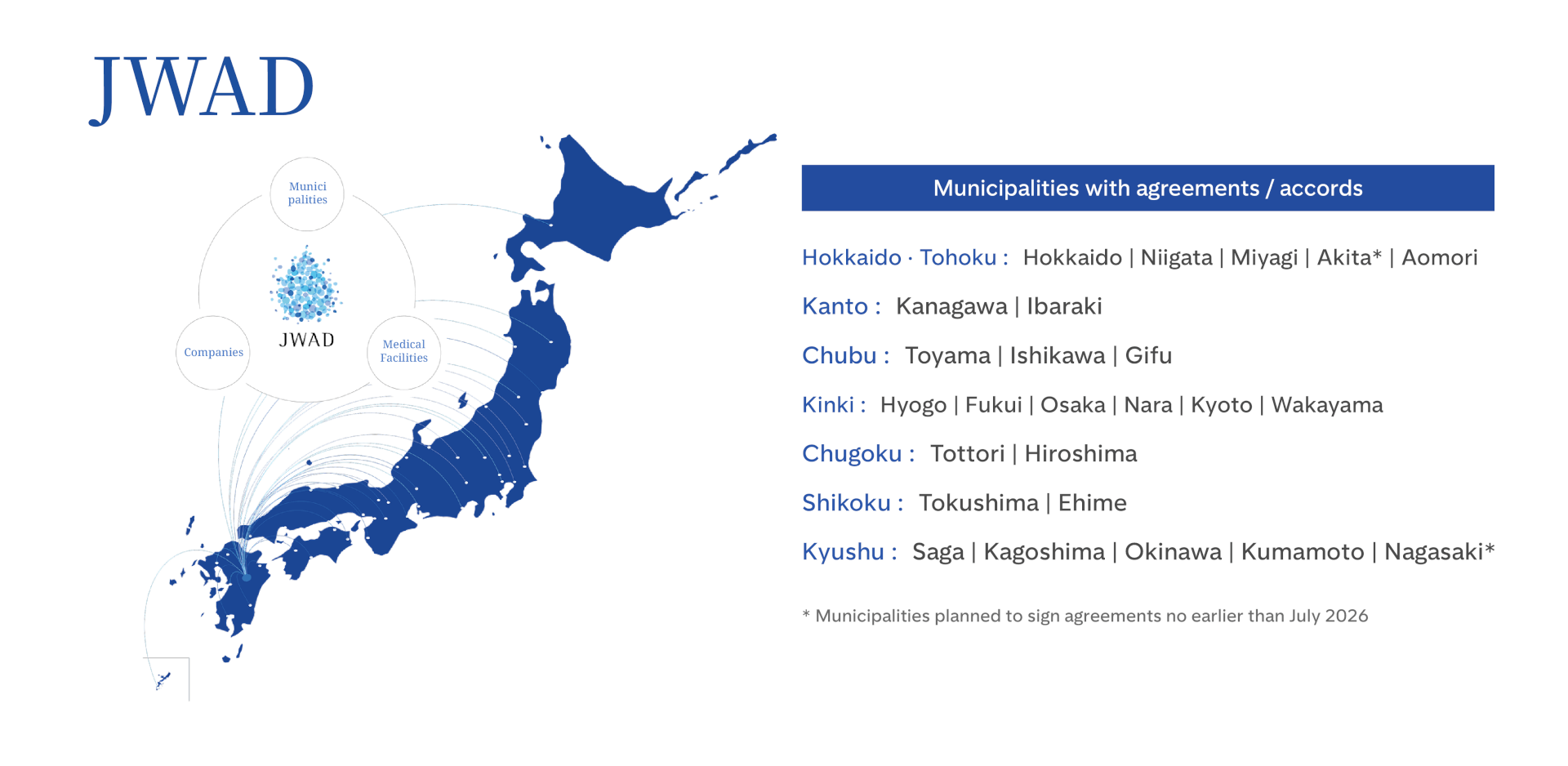
Based on this experience, WOTA has collaborated with local governments during normal times to establish a wide-area mutual aid system that allows municipalities to share daily-use water equipment across prefectural borders during disasters. Serving as the secretariat, JWAD handles requests from local governments and other organizations, coordination with supporting municipalities, and equipment consolidation and distribution. To date, 25 prefectures have signed or agreed to conclude agreements.
In response to the 2026 Kumamoto Earthquake, WOTA and the JWAD Secretariat received an official request for cooperation from Kumamoto Prefecture, with which WOTA had signed a disaster response agreement on July 8, 2026. Through the JWAD wide-area mutual aid framework, “WOTA BOX” and “WOSH” units were consolidated and deployed from local governments nationwide.
As of August 5—approximately one week after arriving on-site on July 29—WOTA largely covered the needs of the evacuation centers for which support had been officially requested and confirmed by the authorities. While direct comparisons cannot be made due to differing disaster scales and conditions from the Noto Peninsula Earthquake, this achievement was made possible through extensive public-private collaboration. This included equipment support from local governments nationwide via JWAD, demand verification and reception coordination by Kumamoto Prefecture and affected municipalities, push-type support—proactive assistance provided without waiting for specific requests—and operational support from the Cabinet Office (Disaster Management) and the Ministry of Economy, Trade and Industry (METI), transport support from the Ministry of Defense and the Air Self-Defense Force, water supply support from the Ministry of Land, Infrastructure, Transport and Tourism (MLIT) and the Japan Water Works Association (JWWA), coordination of support staff dispatched by local governments through the Ministry of Internal Affairs and Communications (MIC), and personnel, vehicle, and service support from private companies and organizations.
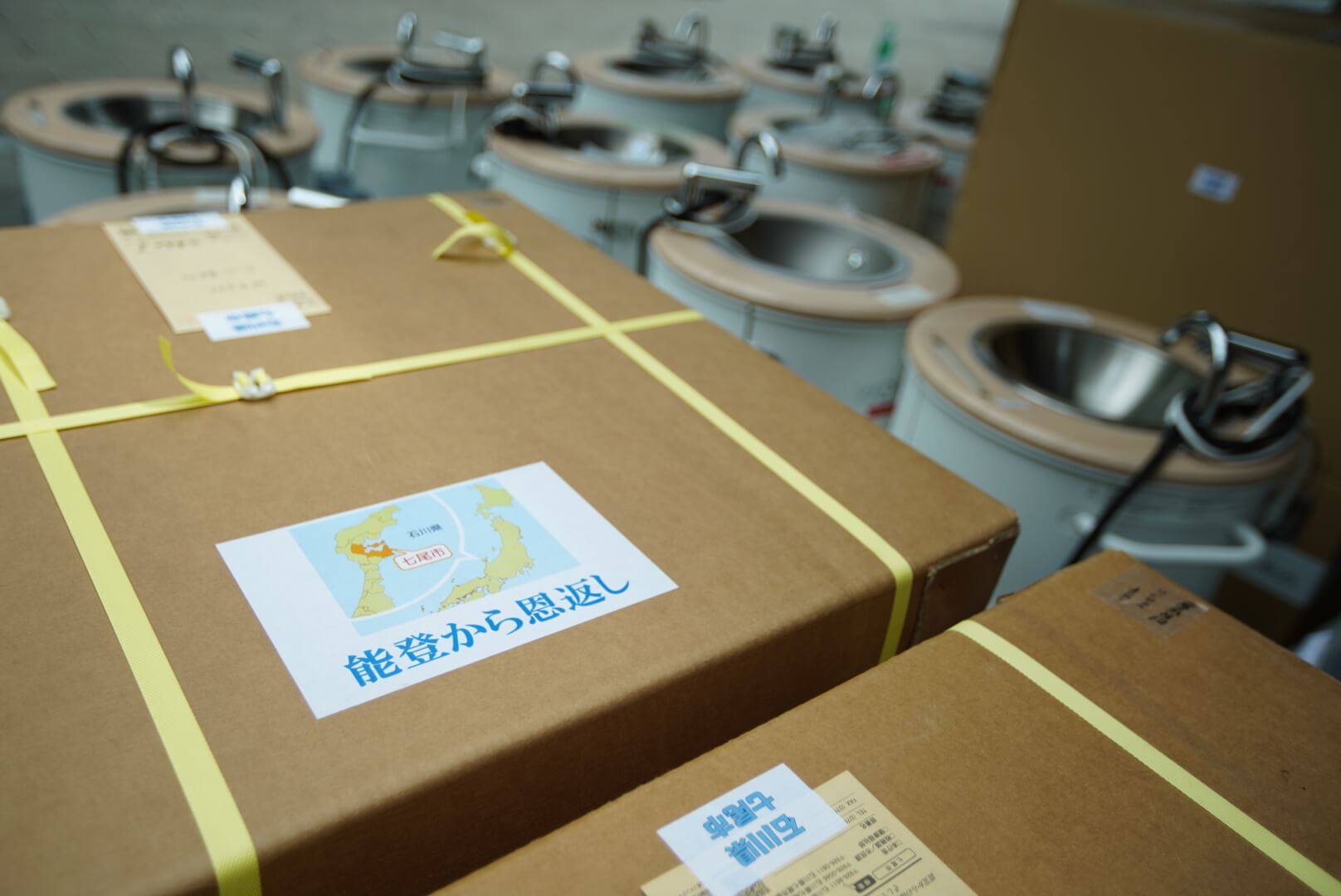
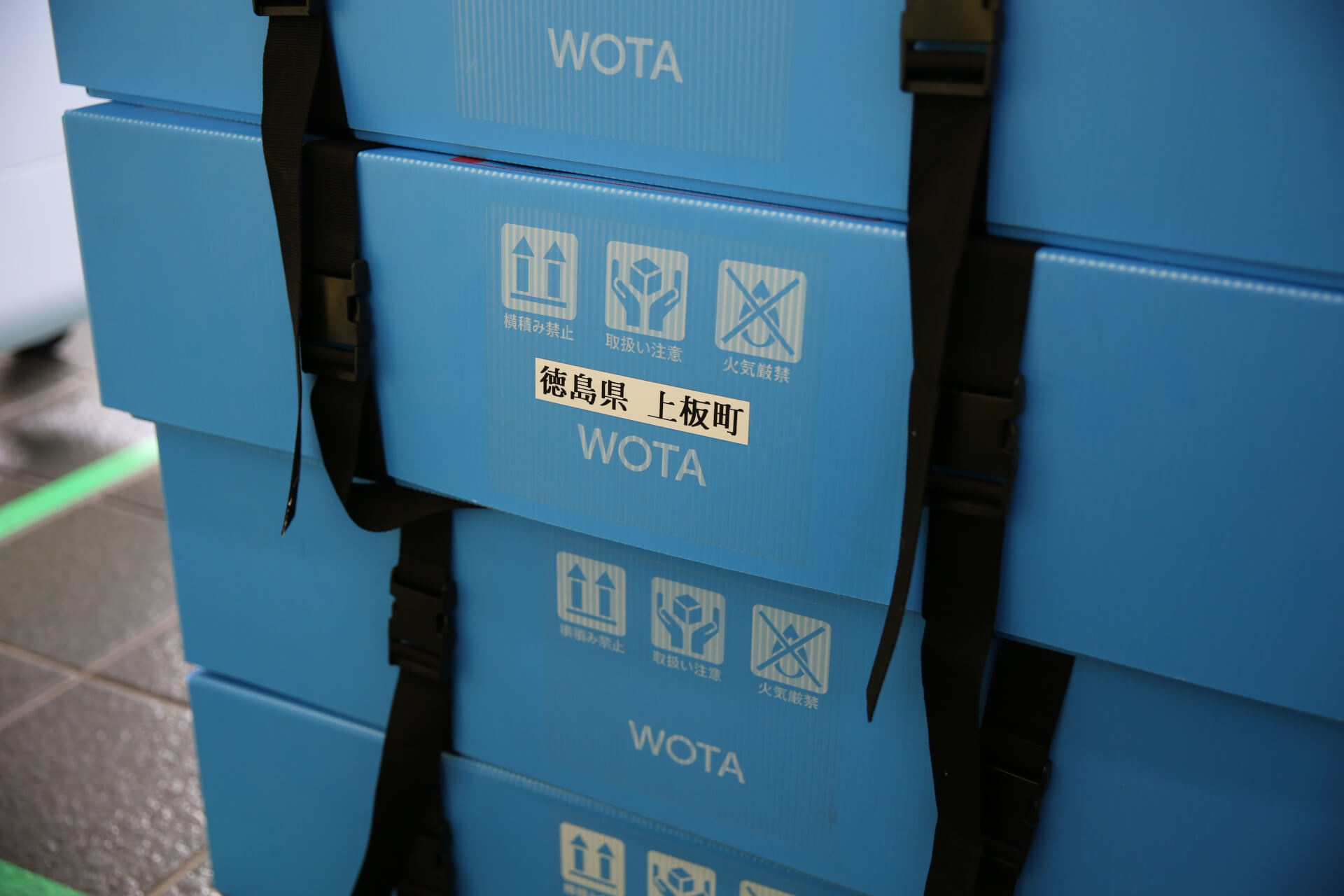
Beginning with the arrival of 8 “WOTA BOX” units on July 31 from 6 local governments under the coordination of Tokushima Prefecture: Tokushima Prefecture, Mima City, Tsurugi Town, Higashimiyoshi Town, Matsushige Town, and Itano Town. On August 6, under the coordination of Ishikawa Prefecture, 32 units (13 “WOTA BOX” and 19 “WOSH” units) arrived from Ishikawa Prefecture, Suzu City, and Nanao City—areas affected by the 2024 Noto Peninsula Earthquake.
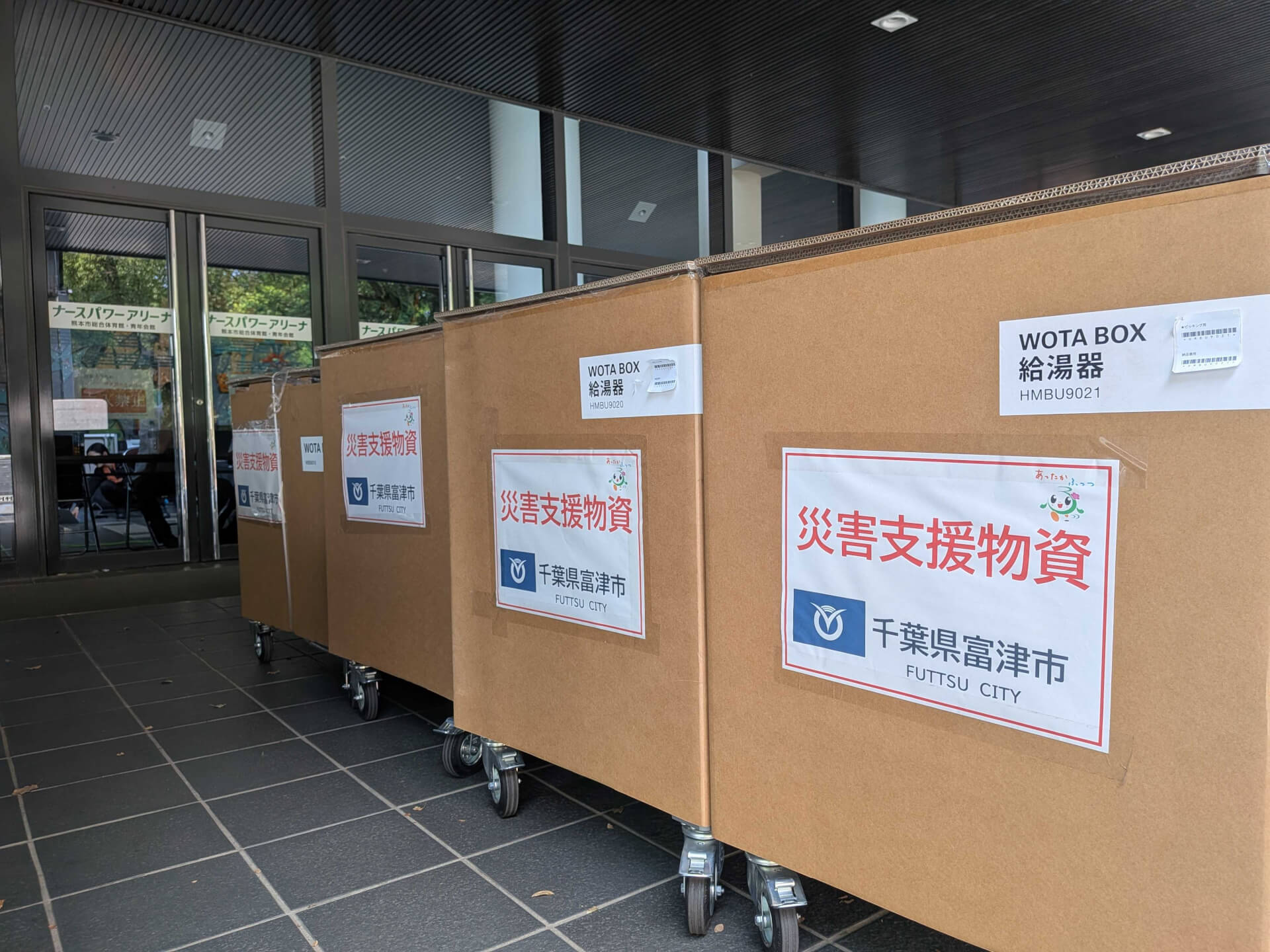
Consequently, as of August 17, a total of 140 units from 44 municipalities and 2 organizations nationwide were consolidated in Kumamoto Prefecture. Wide-area mutual aid was successfully executed by pooling equipment and materials maintained locally in preparation for disasters across prefectural borders to deliver actual relief based on local demand.
The collected units were sequentially deployed to evacuation centers in areas affected by water outages to secure bathing and handwashing environments.
When government push-type support was decided on August 2–3, equipment collection from local governments nationwide was still in its early stages, while significant support demand was already identified across medical and welfare facilities in addition to evacuation centers.
Therefore, during the initial response, structures were built in parallel to aggregate required equipment to the disaster zone through multiple channels, including national push-type support and inter-municipal wide-area mutual aid via JWAD.
Subsequently, as equipment contributions from municipalities expanded, the number of units required for deployment changed as water service was restored and facility equipment was repaired.
*Detailed supply and deployment records are published in the “WOTA 2026 Kumamoto Earthquake Response Fact Sheet (Third Preliminary Report).”
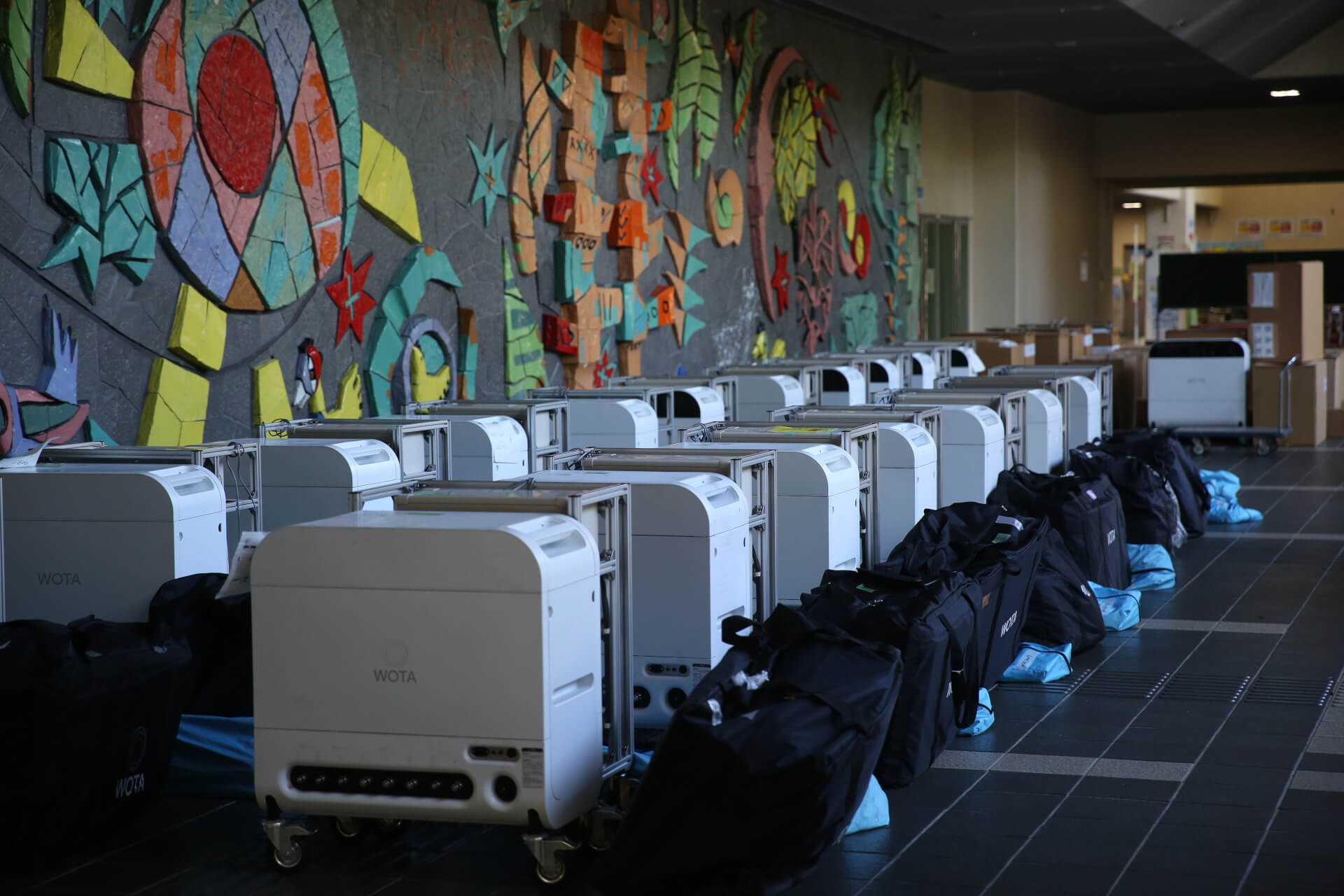
Cumulative Deployment of 142 Showers Across 84 Sites, Including Evacuation Centers and Medical/Welfare Facilities; Locally Managed Operations Reaches 88.1%
Following the disaster, WOTA collaborated with Kumamoto Prefecture, affected municipalities, and relevant organizations to secure bathing and handwashing environments in areas affected by water outages.
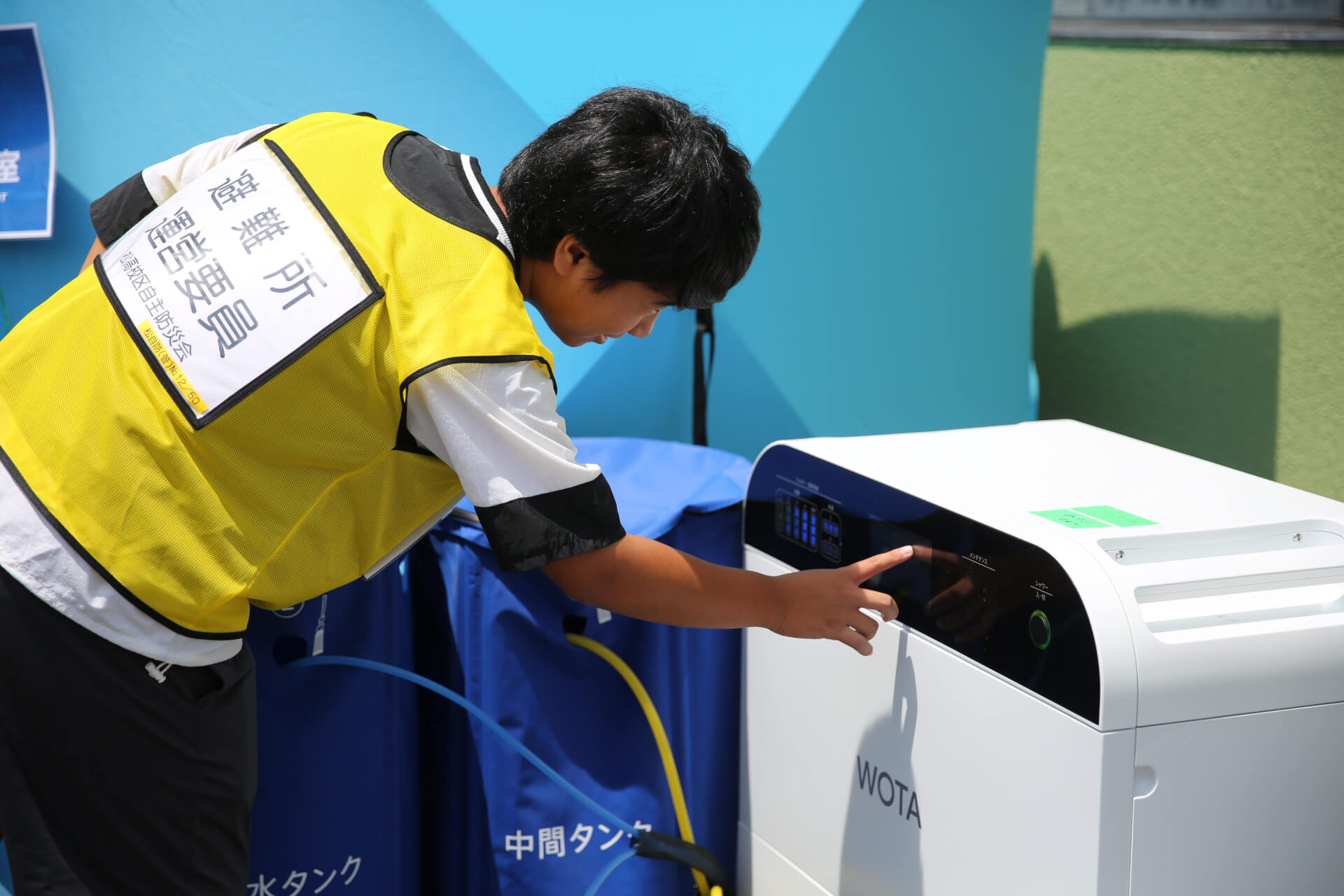
As a result, as of August 17, cumulative installations of Portable Water-Regeneration System “WOTA BOX” shower units reached 142 units. Furthermore, of of 109 units whose operational status was evaluated as of August 18, 96 units (88.1%) had transitioned to Locally Managed Operations, where local operating entities manage daily operations. This represents further progress from the 74% reported in the Second Preliminary Report.
By having multiple entities—including local governments dispatching support staff, equipment-owning bodies, local communities, and facility operators at medical and welfare facilities—handle daily operations, a framework supporting large-scale deployment exceeding 100 units was successfully established.
Initial Demand Assumptions vs. Subsequent Shifts in Demand
Following the disaster, demand for more than 100 units was identified via DMAT and other channels across medical and welfare facilities, in addition to evacuation centers. During the initial response, WOTA recognized that support for these facilities could proceed under public funding frameworks such as the Disaster Relief Act, leading JWAD to aggregate equipment nationwide to ensure sufficient supply.
However, during subsequent consultations with relevant agencies regarding eligible facilities and expense items, it was determined that certain support for medical, welfare, and childcare facilities could not be categorized under public cost coverage. Consequently, until around August 10, WOTA had to simultaneously confirm public funding applicability while securing private funds via corporate sponsorships and crowdfunding, resulting in a period where full-scale deployment could not commence. During this interim, WOTA nevertheless provided support to facilities with urgent needs at its own expense.
After launching full-scale deployment using private support on August 11, WOTA expanded deployment over the following week, largely covering the identified demand at medical and welfare facilities by August 17. Simultaneously, initial demand itself shifted as water service was restored and facility equipment was repaired, leaving some units on standby to prepare for future demand changes or new support requests.
In short, for deployment to medical and welfare facilities and other sites, the issue determining when full-scale deployment could begin was public cost coverage and the applicability of support schemes—rather than equipment supply or local operating capacity. Although large-scale deployment could not begin during this verification and coordination period, once full-scale deployment leveraging private support began on August 11, identified demand was largely met within approximately one week. Detailed unit counts and breakdowns are disclosed in the Fact Sheet (Third Preliminary Report).
While equipment collection and local operational frameworks functioned effectively, this response revealed that clarifying public cost coverage per target facility and expense item is a condition for beginning full-scale deployment to medical and welfare facilities and other sites. The requirements for accessing support under these schemes also need to be clarified during normal times moving forward.
During the Noto Peninsula Earthquake, an early decision by The Nippon Foundation to provide private funding for support to medical and welfare facilities and other sites enabled deployment to proceed with funding secured for equipment delivery and setup, maintenance, operations, and other necessary expenses. In response to the Kumamoto Earthquake, WOTA had to secure new private funding through corporate sponsorships and crowdfunding alongside public cost-coverage verifications. Building on this experience, mechanisms must be established during normal times to swiftly connect funding aspects to active relief operations.
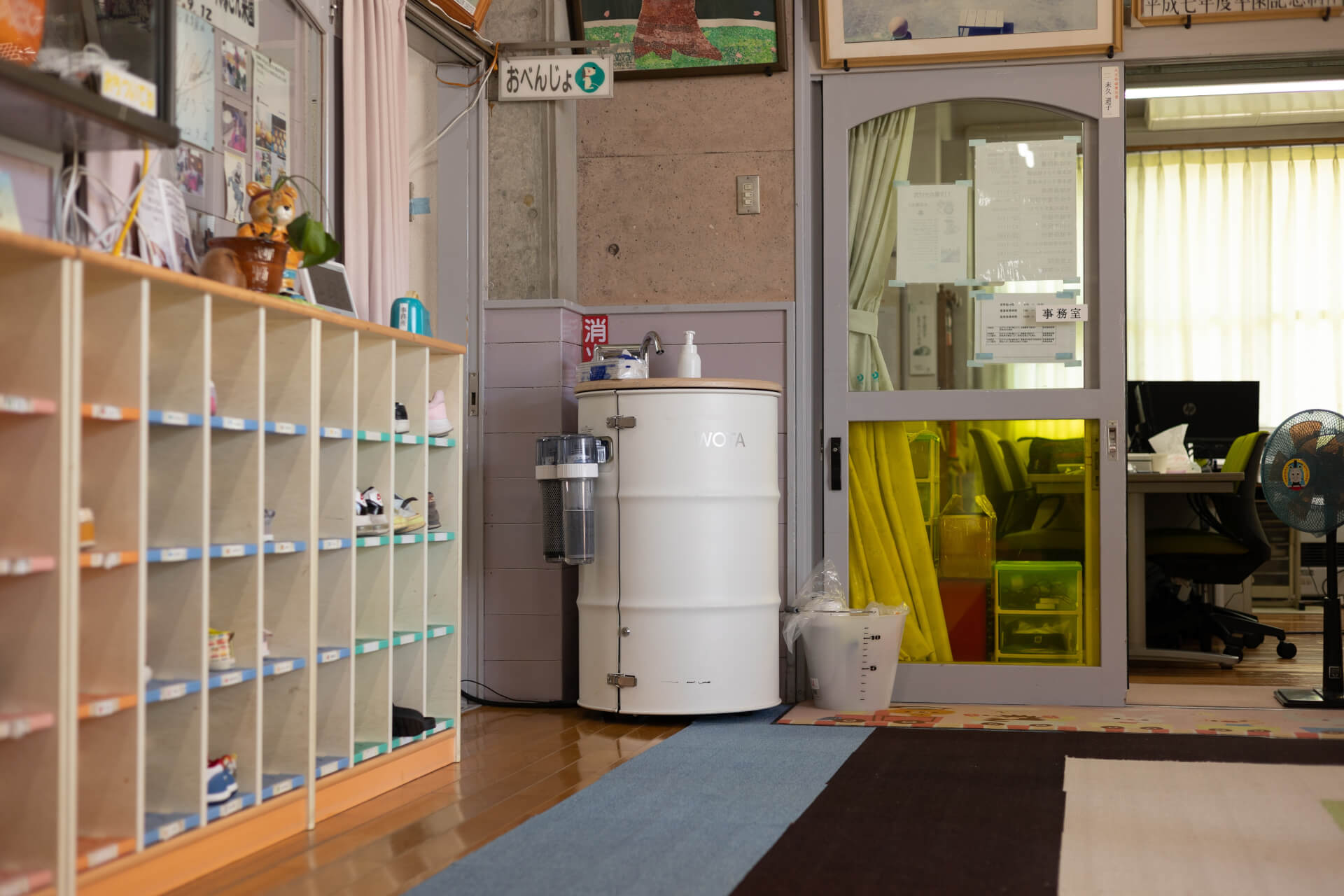
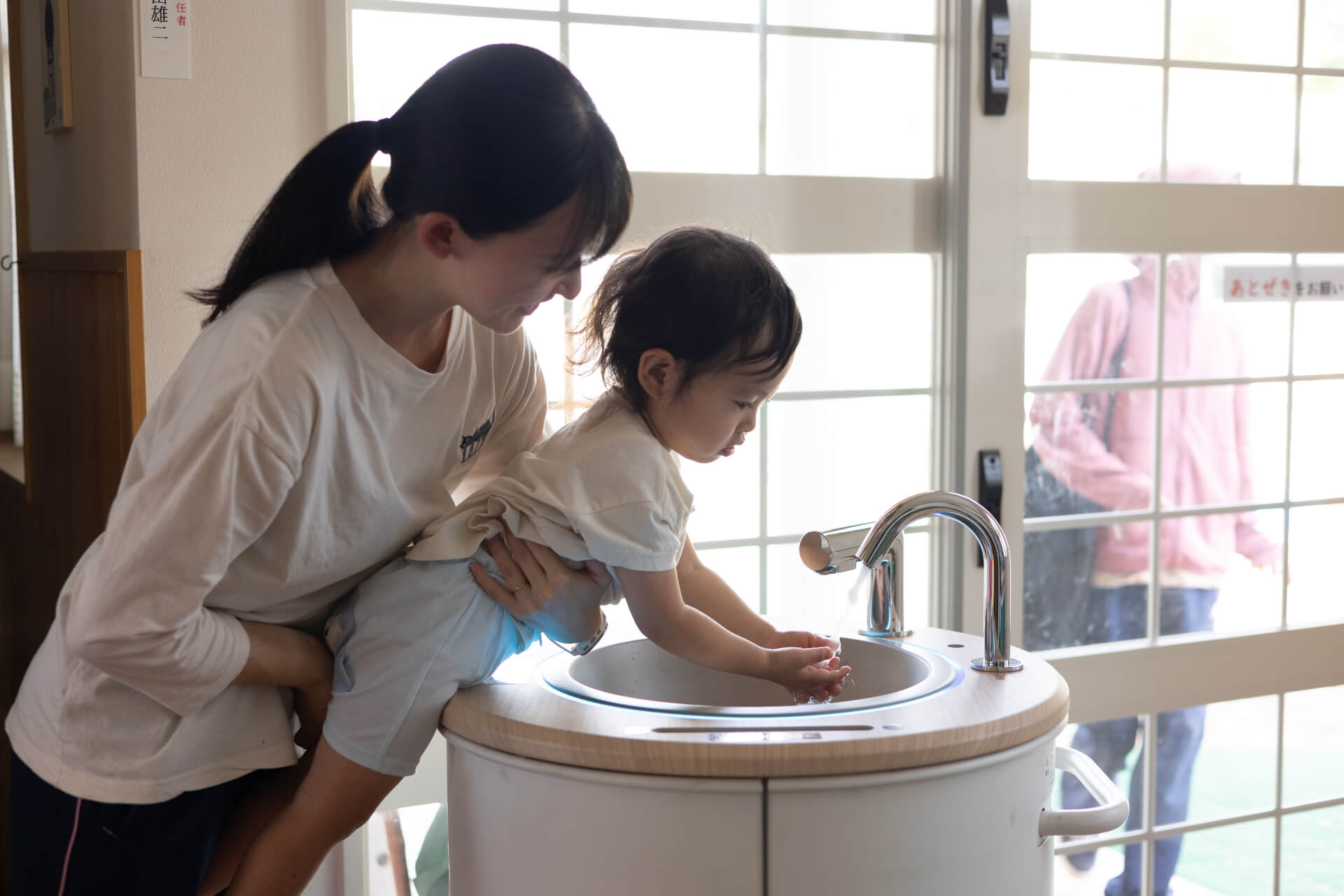
Toward a More Effective Wide-Area Mutual Aid Framework: Release of “WOTA 2026 Kumamoto Earthquake Response Fact Sheet (Third Preliminary Report)”
Rapidly consolidating water recycling systems owned by local governments nationwide into Kumamoto across prefectural borders and establishing local operational structures represents a major achievement in disaster daily-use water support.
Moving forward, in addition to equipment and operational mutual aid, WOTA will work with relevant agencies during normal times to seamlessly connect public cost coverage and policy application with actual deployment, creating a more rapid and effective public-private partnership structure.
The “WOTA 2026 Kumamoto Earthquake Response Fact Sheet (Third Preliminary Report)” released today discloses the following information regarding wide-area mutual aid and deployment of water-recycling equipment during the 2026 Kumamoto Earthquake:
・Timeline since response initiation and overall support summary, including cumulative installation site and unit counts
・Progress in evacuation center support (trends in cumulative “WOTA BOX” unit counts and location numbers)
・Wide-area cooperation via JWAD (status of equipment consolidation and deployment from municipalities nationwide)
・List of equipment provided by local governments and other organizations nationwide and actually deployed within Kumamoto Prefecture (provider, model/quantity, Kumamoto arrival date, latest/final deployment site, current status)
・Initial demand assumptions, subsequent demand shifts, and standby equipment status
・Establishment of installation and operational arrangements, includingwarehousing/logistics, water supply, reception/operations, and the status of locally managed operations
・Deployment to medical and welfare facilities, children’s facilities, childcare facilities, and other sites
■ “WOTA 2026 Kumamoto Earthquake Response Fact Sheet (Third Preliminary Report)”
Comment from Yosuke Maeda, Representative Director & CEO:
“Lessons from past disaster responses, including the Noto Peninsula Earthquake, highlighted the need for a mechanism to deliver nationwide equipment more rapidly.
Building upon those lessons, the wide-area mutual aid system developed with local governments allowed individual units stocked during normal times to cross prefectural borders and aggregate in Kumamoto within a short period, directly supporting relief efforts on the ground. Translating pre-disaster preparedness into active disaster support holds immense significance.
This achievement was made possible only through the dedicated efforts of many stakeholders—including Kumamoto Prefecture, affected municipalities, supporting local governments nationwide, national government ministries, the Self-Defense Forces, DMAT, the Japan Water Works Association, partner companies and organizations, and local communities and facility staff managing daily operations. I extend my deepest gratitude to everyone involved.
For evacuation centers, public-private collaboration allowed us to largely cover officially requested demand within approximately one week. Furthermore, for medical and welfare facilities, following work to clarify public cost coverage and the applicability of support schemes and prepare alternative funding sources, we began full-scale deployment and largely met the identified demand within approximately one week. The transition to locally managed operations, in which local governments, facility operators, and local communities handle day-to-day operations, is progressing.
On the other hand, this response highlighted challenges regarding gaps between initial public cost-coverage assumptions and actual policy application for medical and welfare facilities.
We hope to build on the support made possible by so many people, beyond this single response. By connecting public support schemes, private support, and wide-area mutual aid via JWAD more smoothly, we aim to develop a system that reliably delivers daily-use water wherever and whenever it is needed.”
Sustaining and Expanding Bathing and Hygiene Support for Medical and Welfare Facilities via Crowdfunding
To sustain and expand bathing and hygiene support for medical and welfare facilities experiencing ongoing water outages and hot water equipment damage due to the 2026 Kumamoto Earthquake, WOTA began accepting corporate sponsorship and launched a crowdfunding project titled “Together, Delivering Water to Sustain Medical and Welfare Services at Facilities Facing Ongoing Water Outages in Kumamoto” on Monday, August 10, 2026. Based on the support received, WOTA collaborated with relevant entities—including the Ministry of Health, Labour and Welfare’s Disaster Medical Assistance Team (DMAT) Secretariat, local governments, and public health centers—to confirm the latest support needs and priorities. By selecting recipient sites, delivering and installing equipment, and handing over operations to local operators in stages, WOTA deployed 98 units (45 “WOTA BOX” and 53 “WOSH” units) across 41 medical and welfare facilities as of August 17. WOTA will continue to use the support received to provide access to bathing and help maintain hygiene as quickly as possible in response to local needs.
We earnestly ask for your continued support to deliver showers and handwashing facilities as quickly as possible to facilities and individuals awaiting assistance, and to help ensure that they can continue using them with peace of mind for as long as needed.
For details, please visit the URL below:
【About WOTA Corp.】
WOTA is a private enterprise aiming for structural solutions to global water issues. Since its founding in 2014, WOTA has developed “Decentralized Water Regeneration Systems” and “Autonomous Water Treatment Control Technology” to reuse domestic wastewater to the maximum extent, addressing problems caused by unequal distribution, scarcity, and pollution of global water resources. WOTA has brought two products to market, contributing to emergency water access during disaster outages and improving public hygiene. WOTA has also developed a “Residential Water Regeneration System” for daily water use and begun supplying water in select regions in Japan and abroad.
Details: https://wota.co.jp/en/