



Future Water
Regeneration at Home
WOTA Unit is the world’s first*
residential water regeneration system,
designed for more resilient,
sustainable living.
By regenerating up to 97%**
of wastewater from showers, kitchens,
and washing machines
into safe, high-quality water,
it makes that water reusable
for bathing, dishwashing, and laundry.
Toilet wastewater is treated separately
through a dedicated unit
and reused for toilet flushing.
Requiring only electricity,
rainwater replenishment,
and routine maintenance
such as filter replacement,
it reduces reliance on
centralized water and sewer infrastructure.
WOTA Unit is compact water infrastructure
for a more resilient future.
- * For further details, please refer to WOTA’s press release dated July 8, 2025: https://wota.co.jp/en/news-250708/
- ** Actual results may vary depending on usage and conditions.
Life with the WOTA Unit
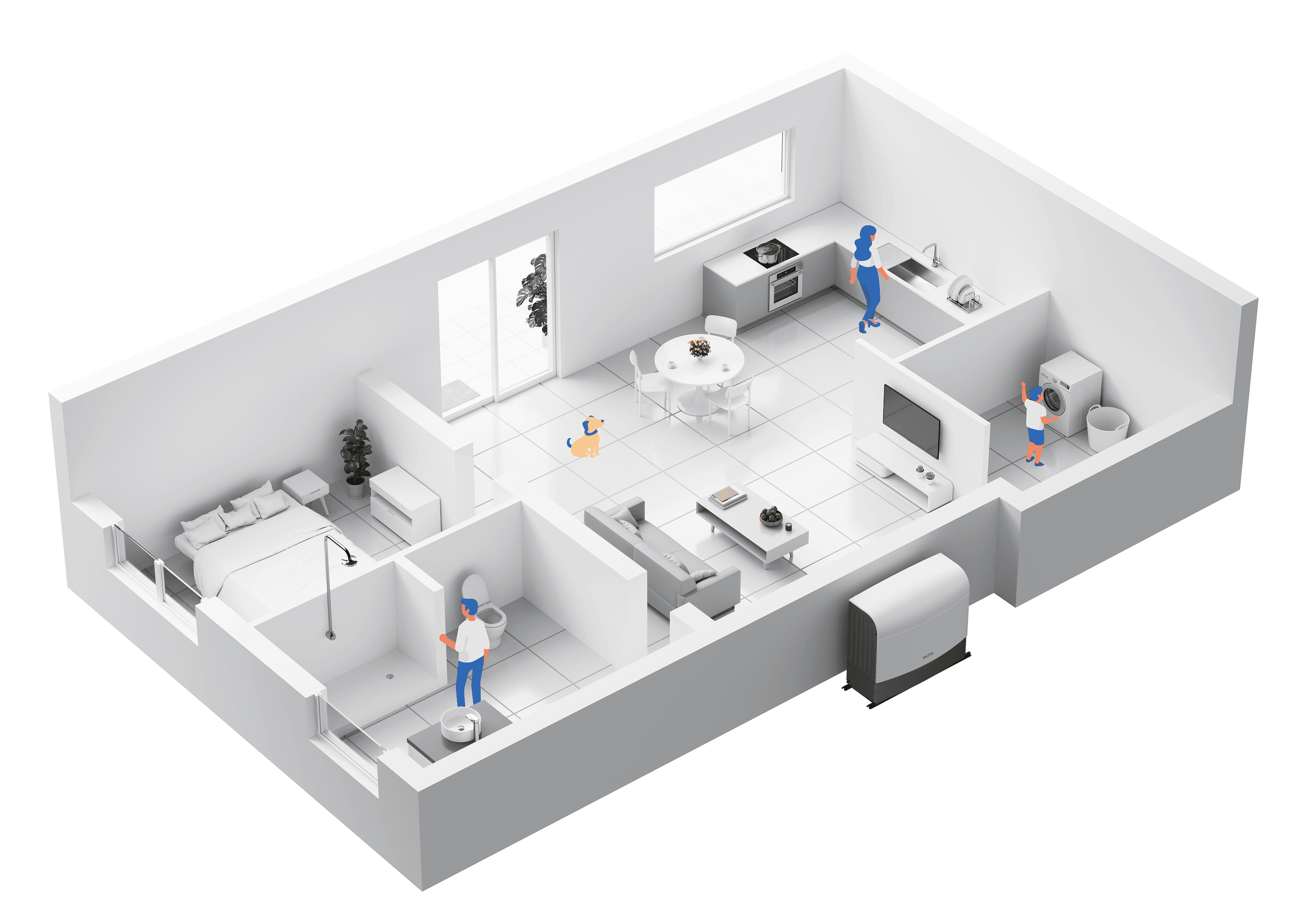
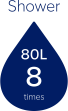
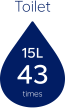
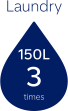
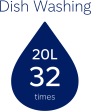
The usage estimates shown are based on a total storage capacity of 650L — consisting of the WOTA Unit itself (150L) and two optional 250L tanks — and assume average household water use for a family of three (according to our internal research).
Water Volume & Number of Uses Chart (Gallons)
- Dishwashing: 5.3 gal / 32 times
- Toilet: 4 gal / 43 times
- Shower: 21 gal / 8 times
- Laundry: 40 gal / 4 times
features
Bringing “small-scale water infrastructure”
to the homes in your community
We can recycle up to 97%* of the wastewater generated at home—from the bath, kitchen, washing machine, toilet, and more—back into safe water. By making that water reusable for bathing, washing dishes, doing laundry, and flushing toilets, you can live free from worries about water shortages or water quality, even without being connected to conventional water and sewer systems.
* The actual recycling rate may vary depending on your usage environment and how water is used.

-
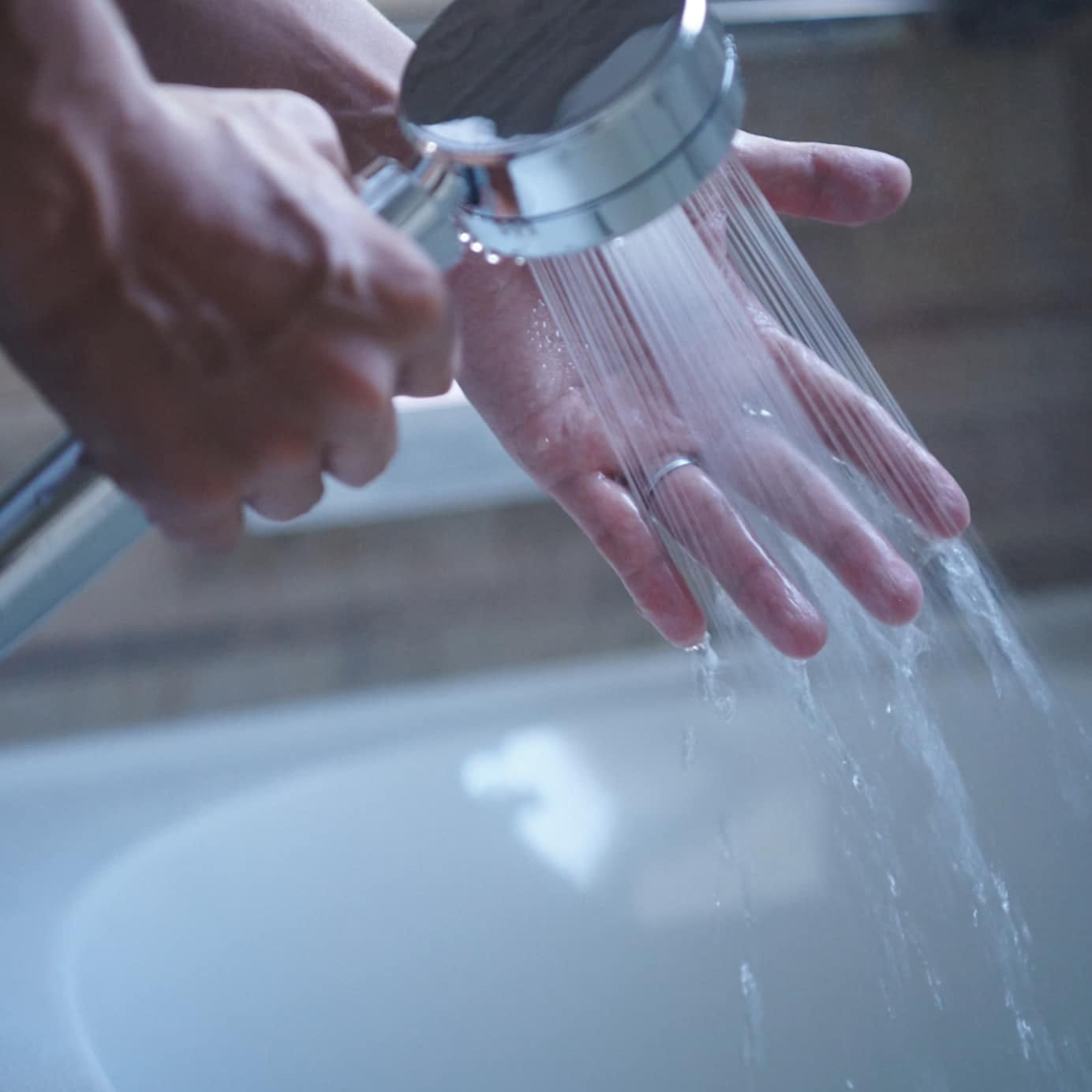
Clean Water
WOTA Unit provides clean, safe water that meets WHO Guidelines for drinking-water quality. Say goodbye to concerns about bacteria, viruses, or harmful chemicals.
-
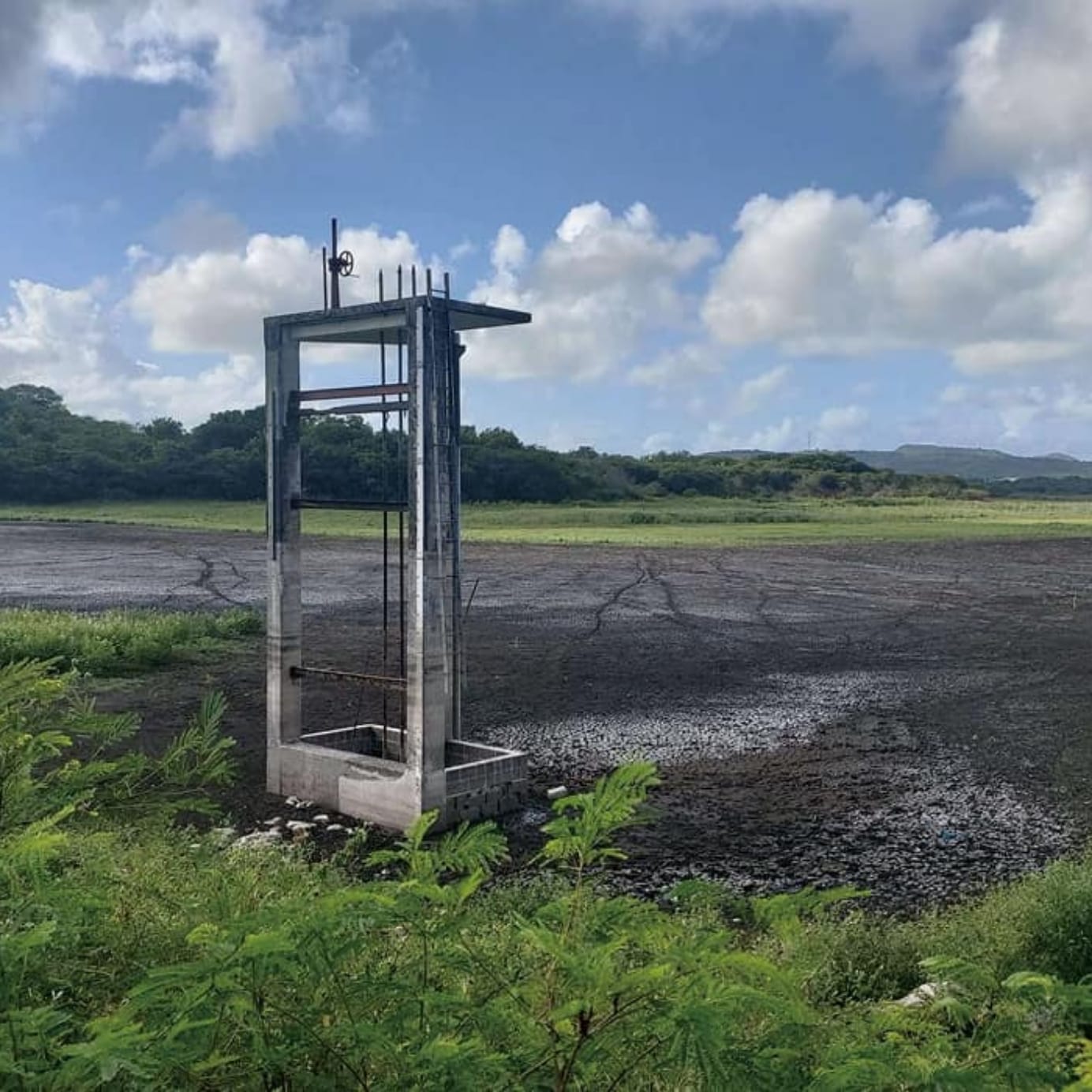
Water Resilience
Even in times of drought or infrastructure failures, WOTA Unit can continue operating as long as electricity is available. This allows you to live independently of local water infrastructure issues.
-
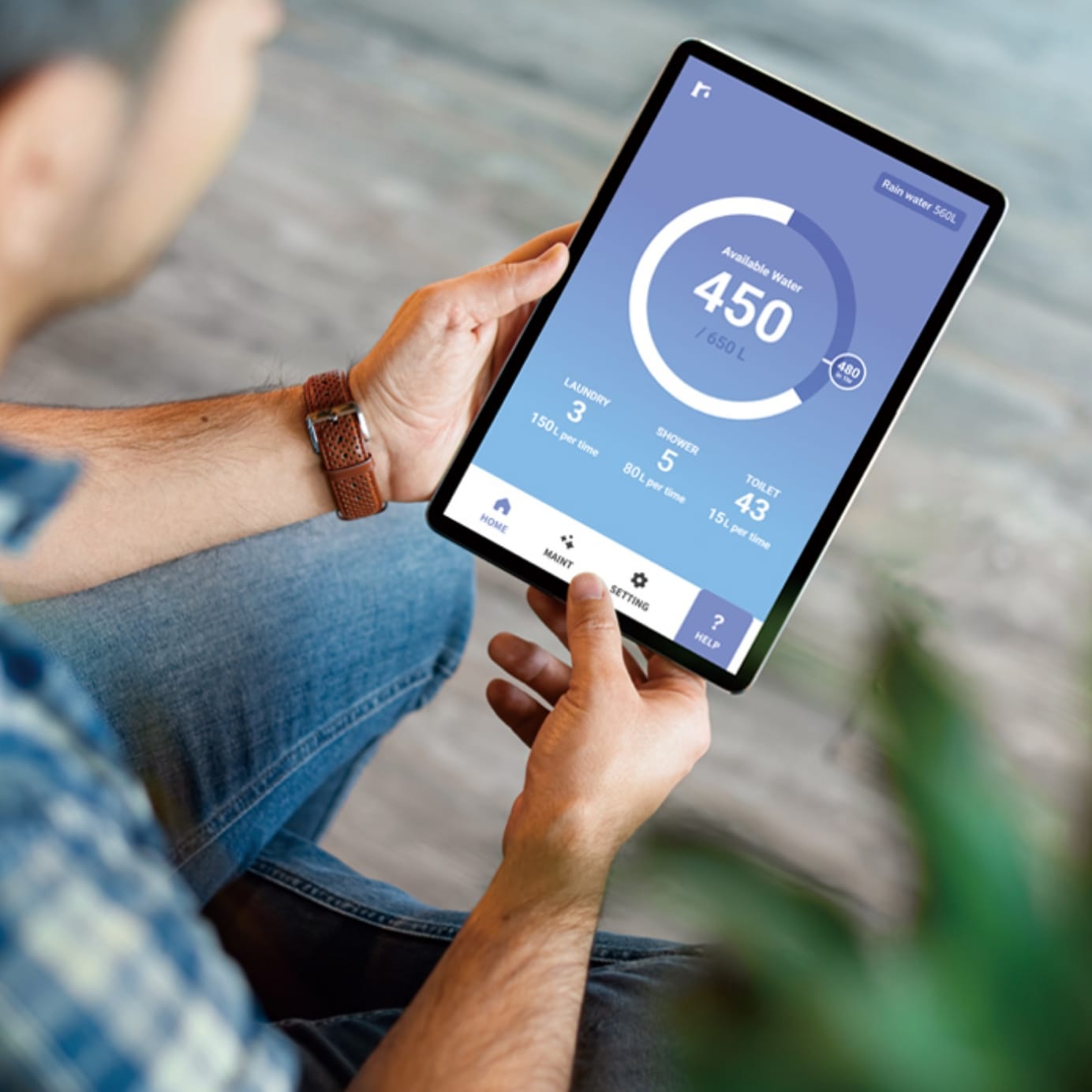
Smart Maintenance
You can monitor available water levels and receive maintenance notifications through the dedicated app. Managing your daily water supply has never been easier.
monitor water usage
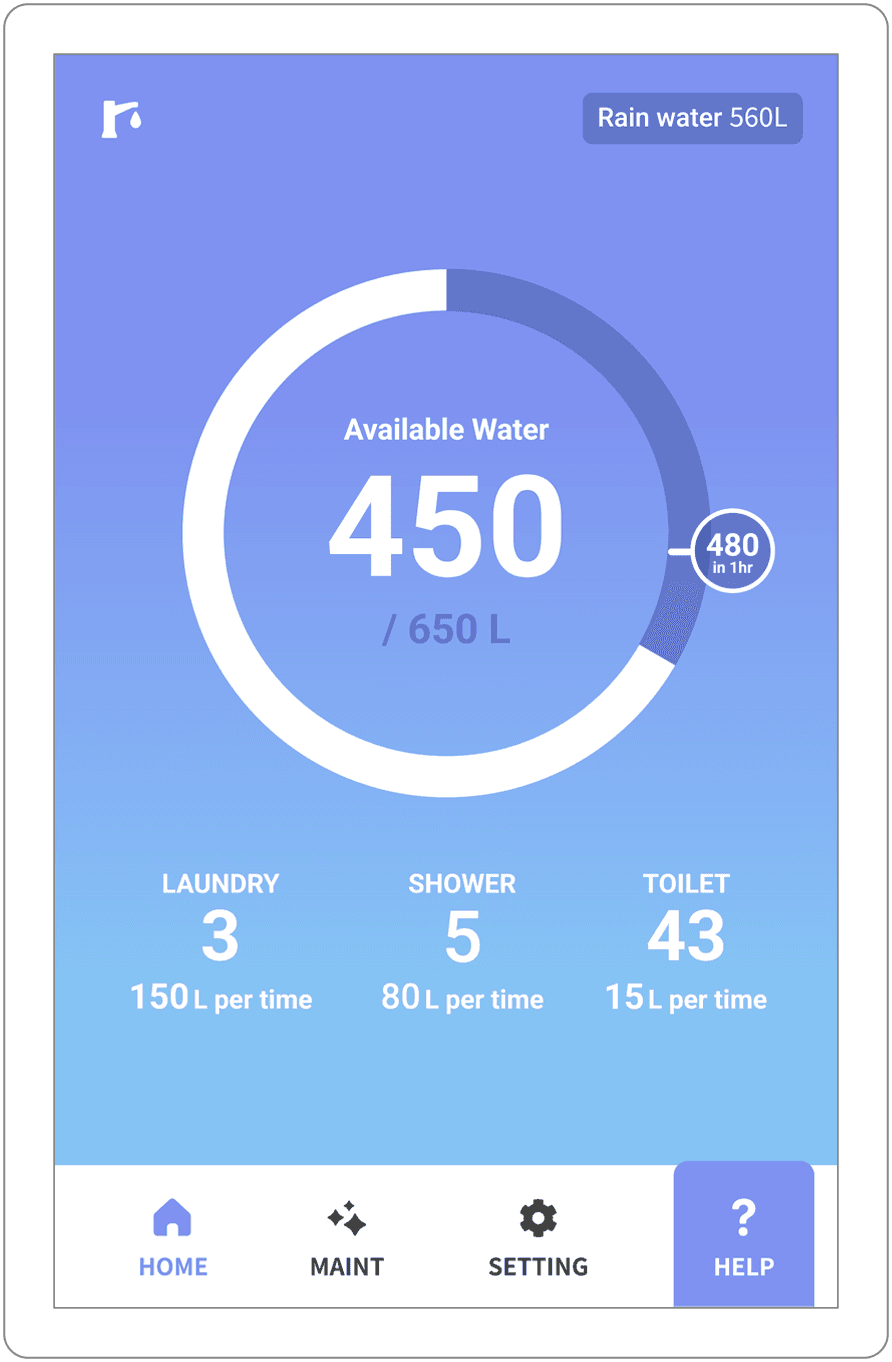
- Check remaining rainwater tank level
- Current available water
- Estimated time to water recovery
- Remaining uses based on
current water level
How It Works
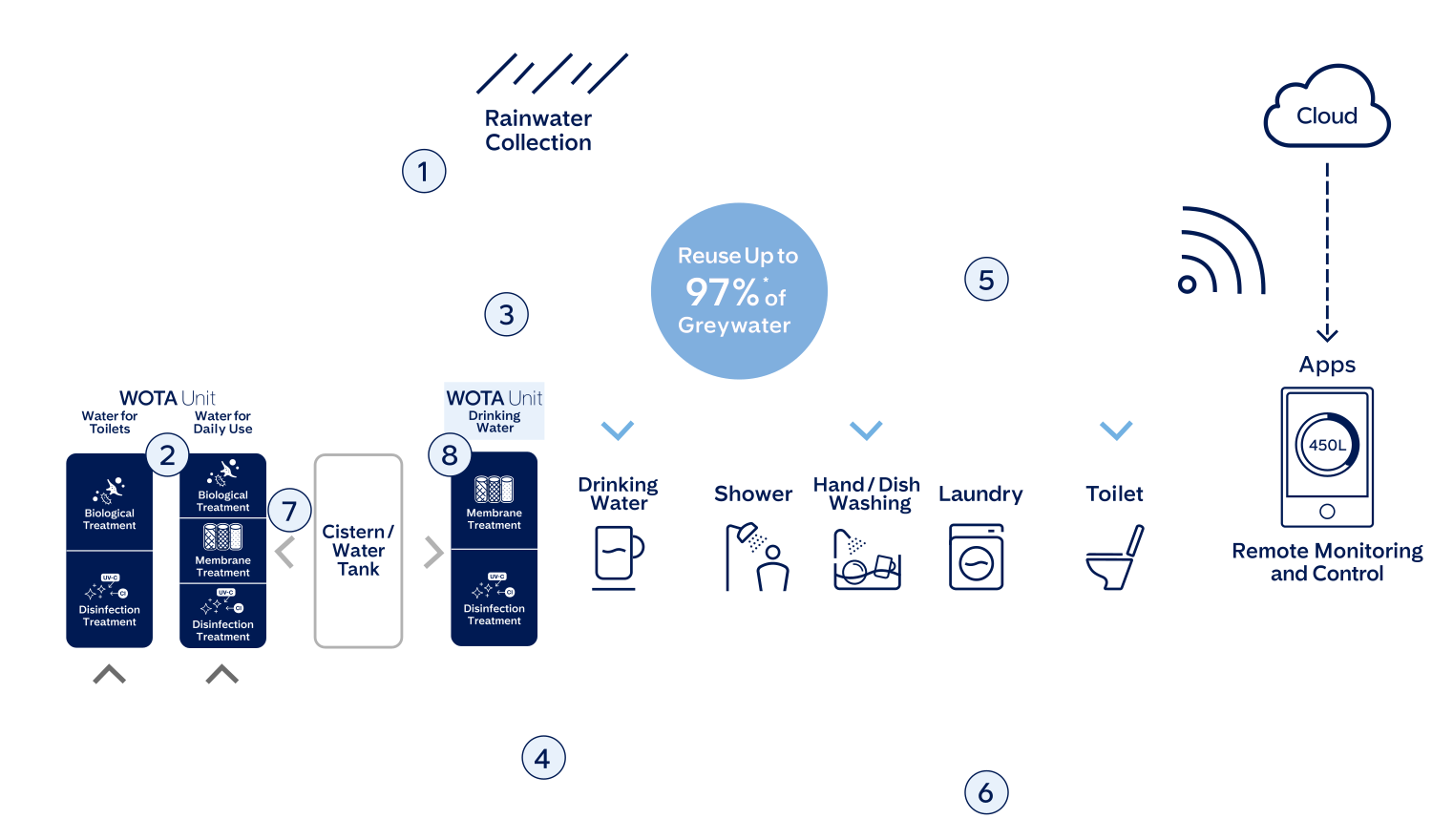
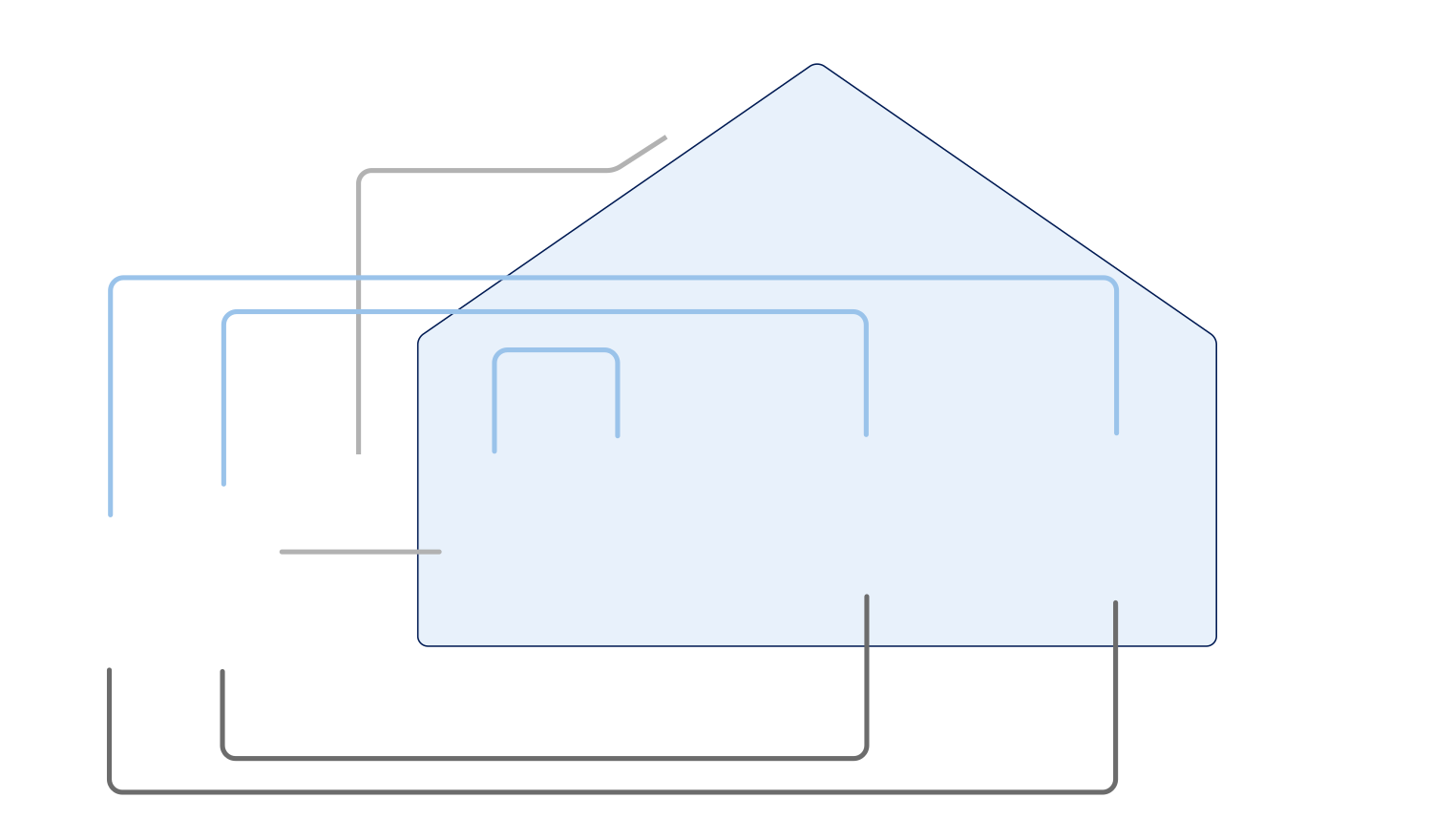
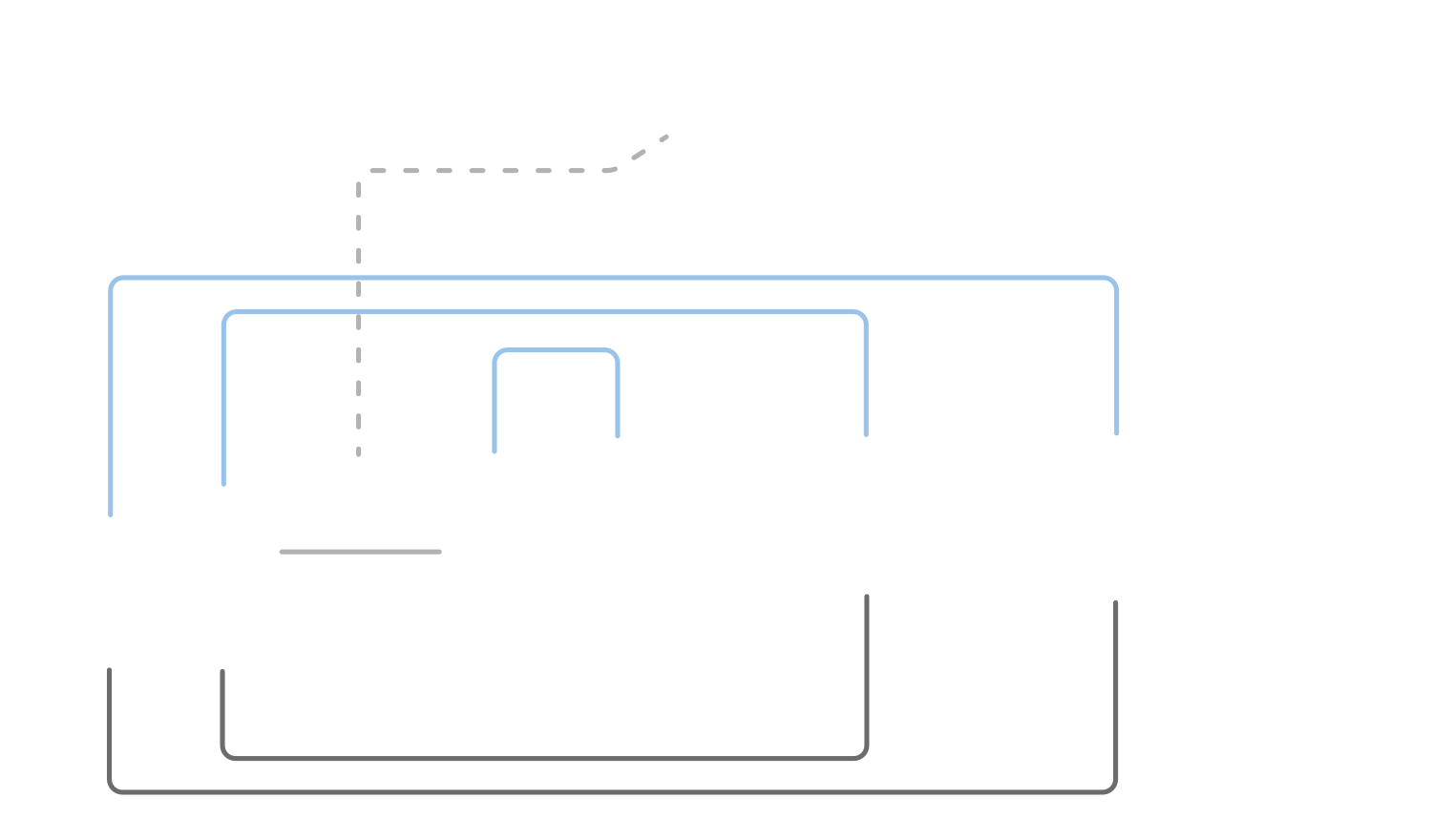
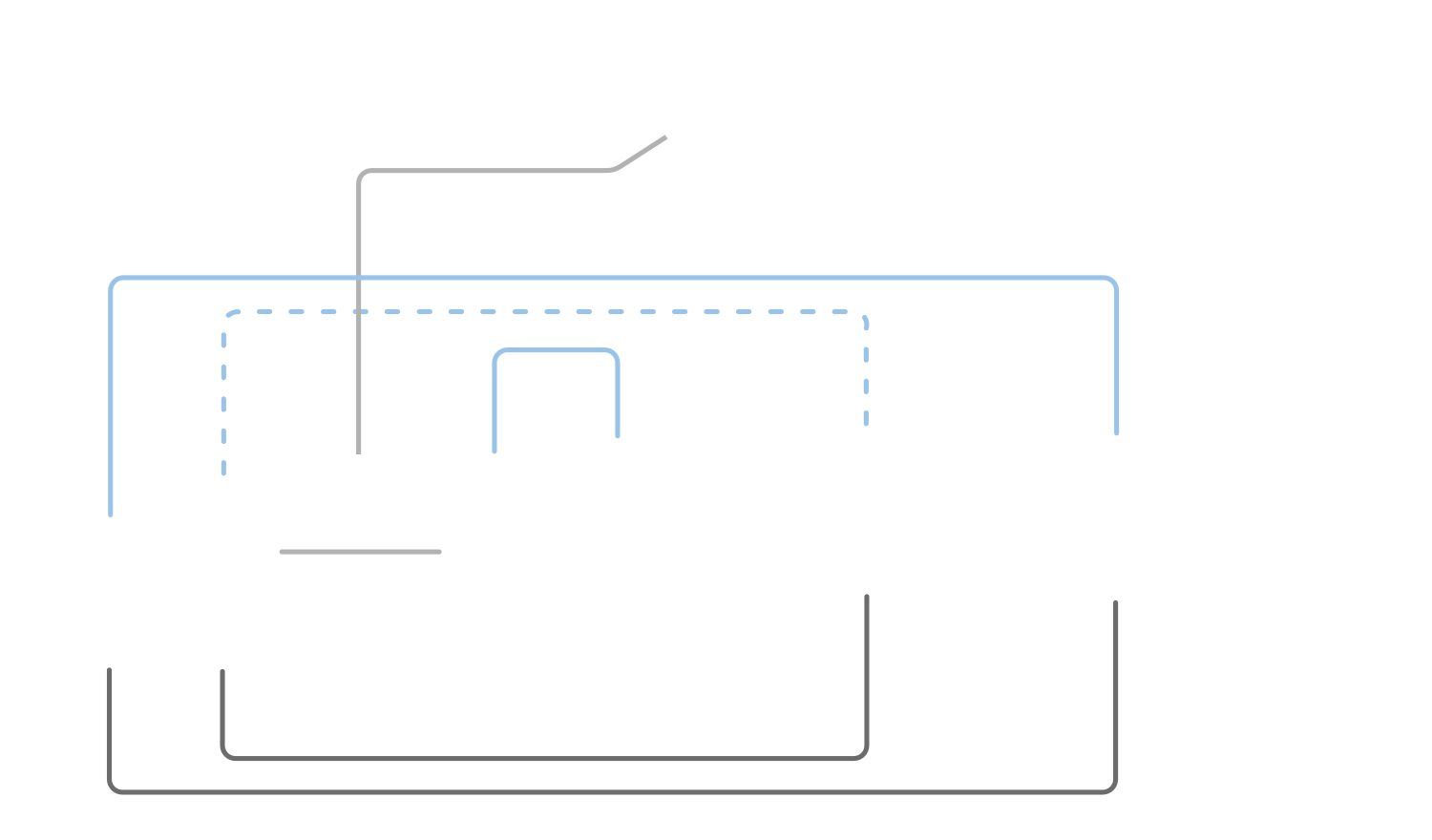
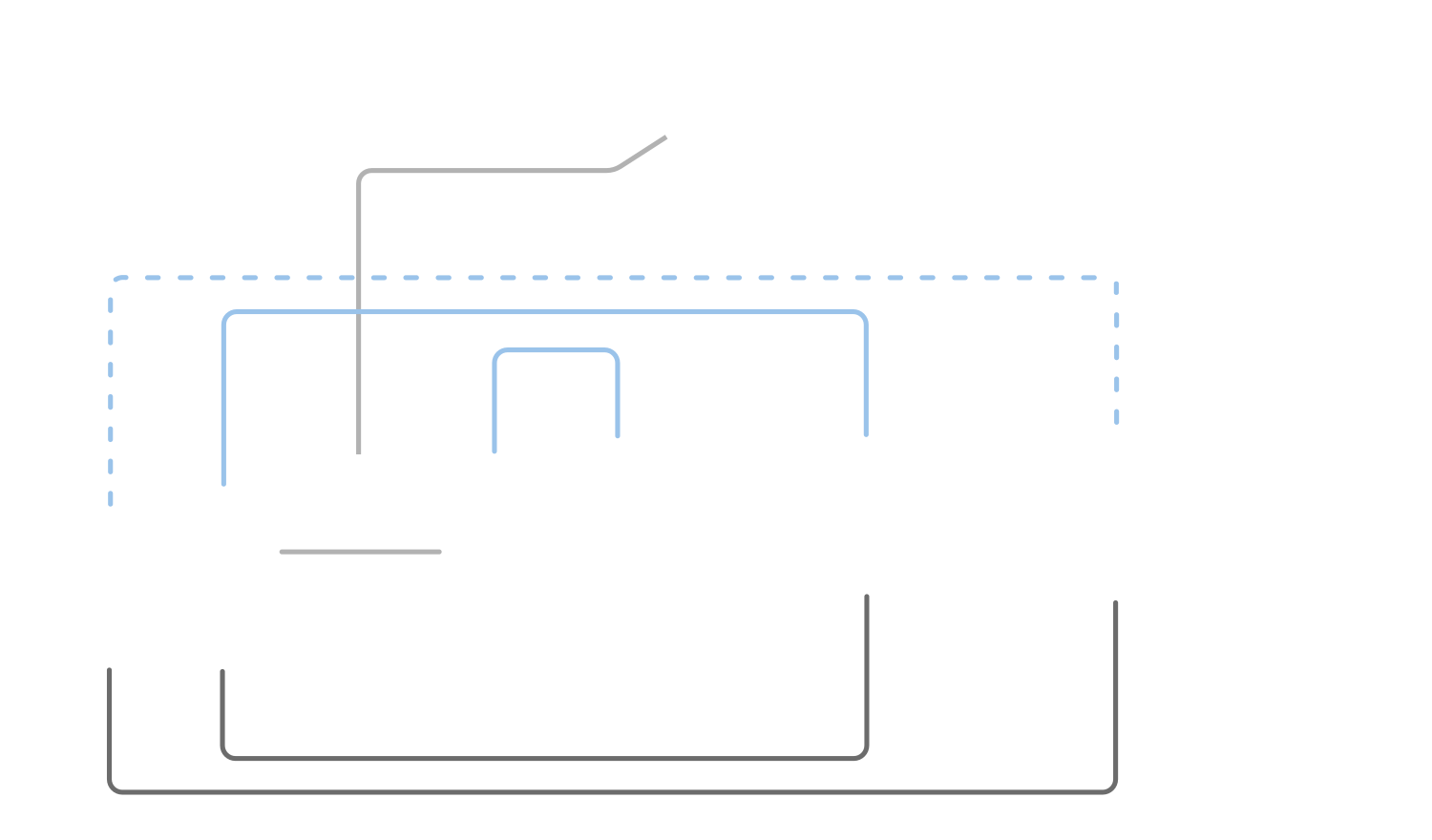
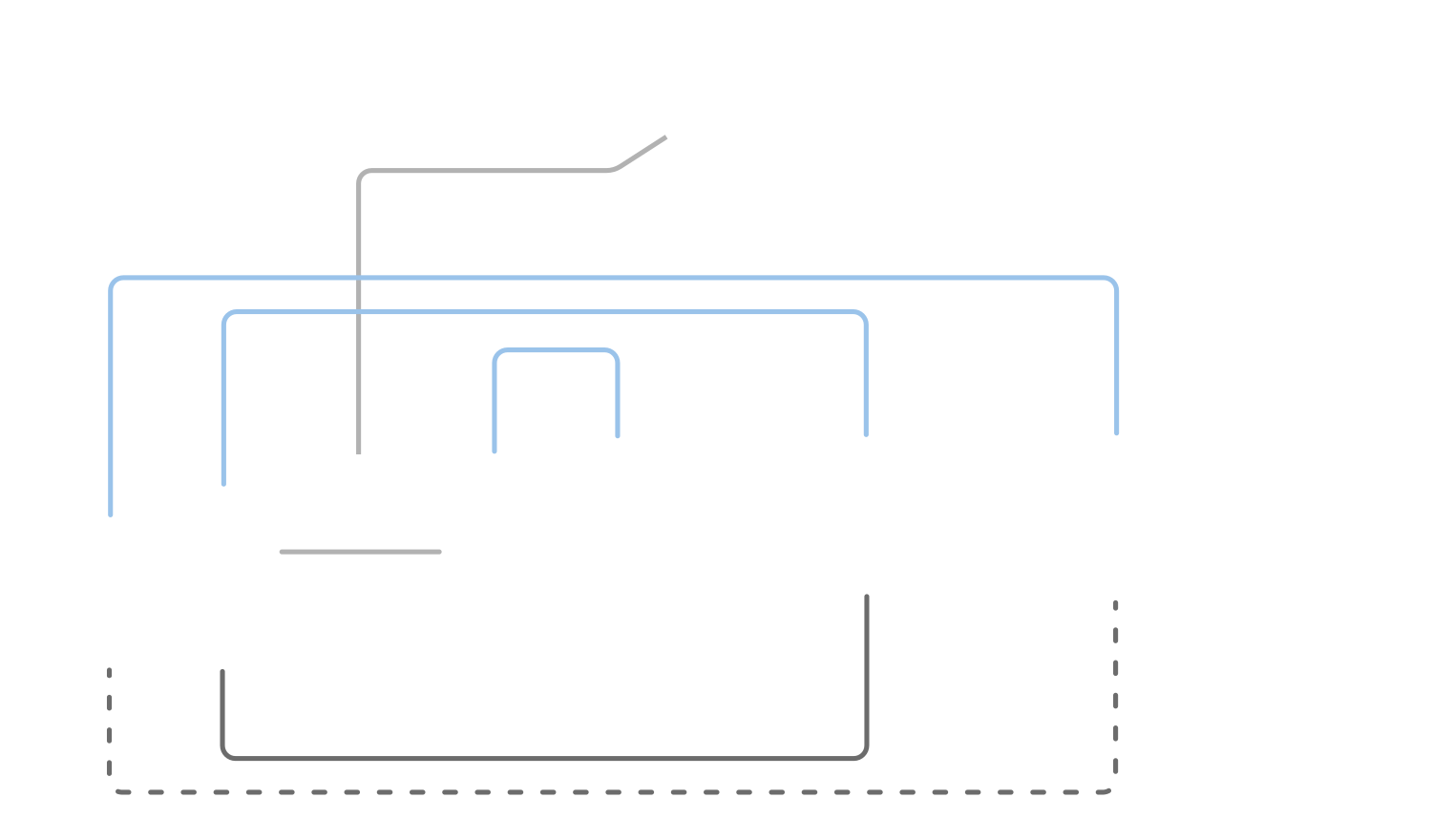
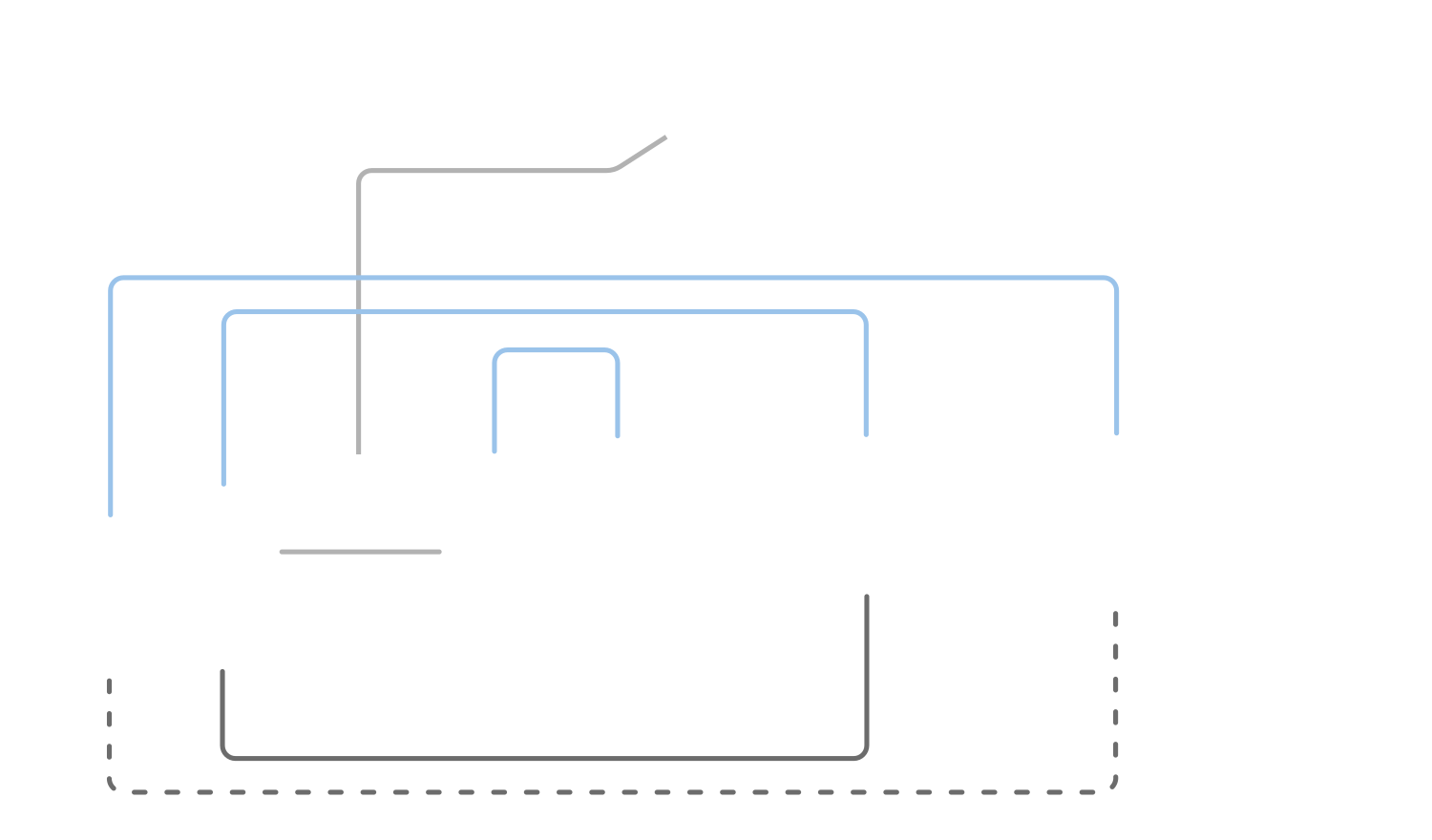
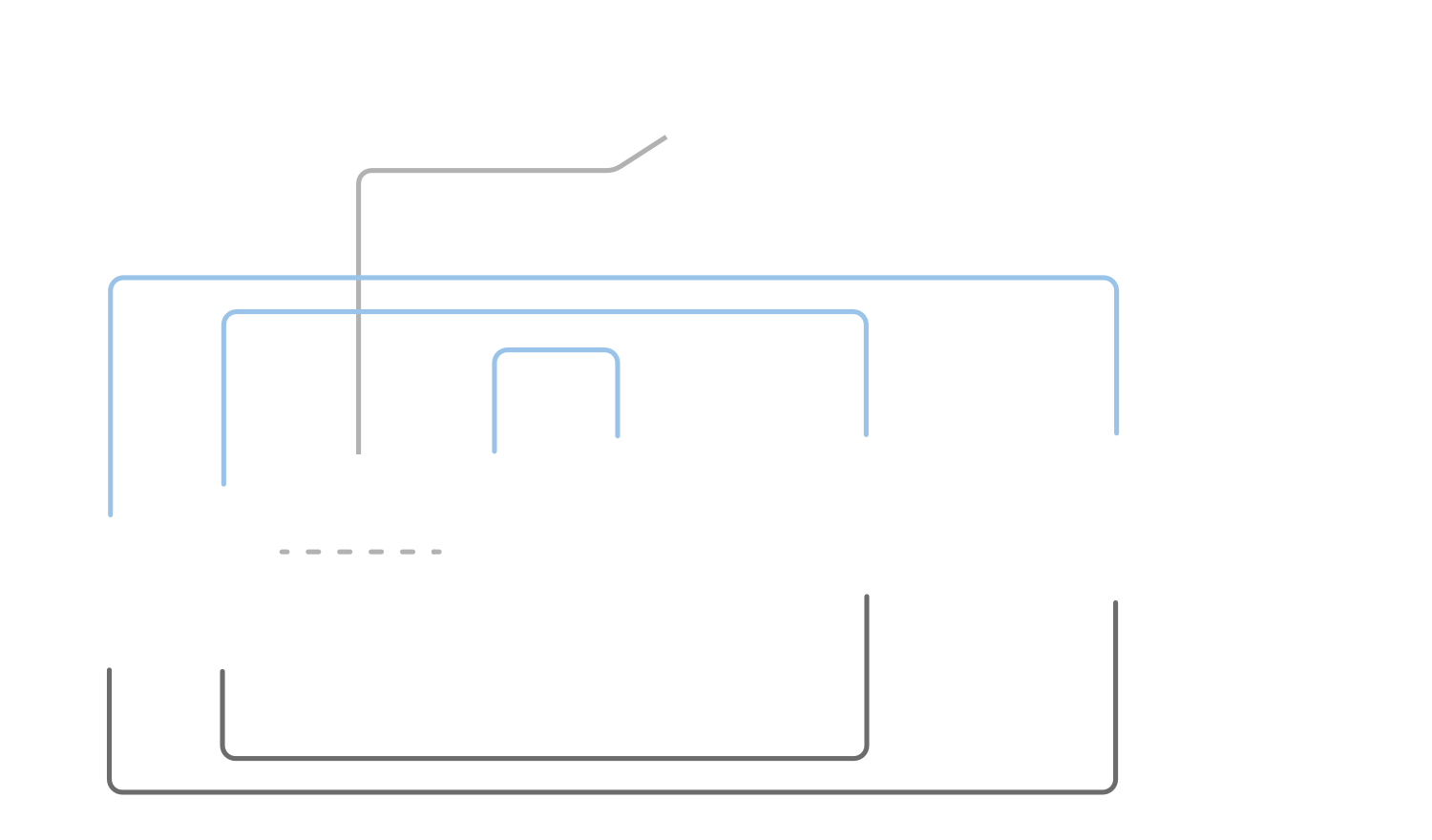
* Actual results may vary depending on usage and conditions.
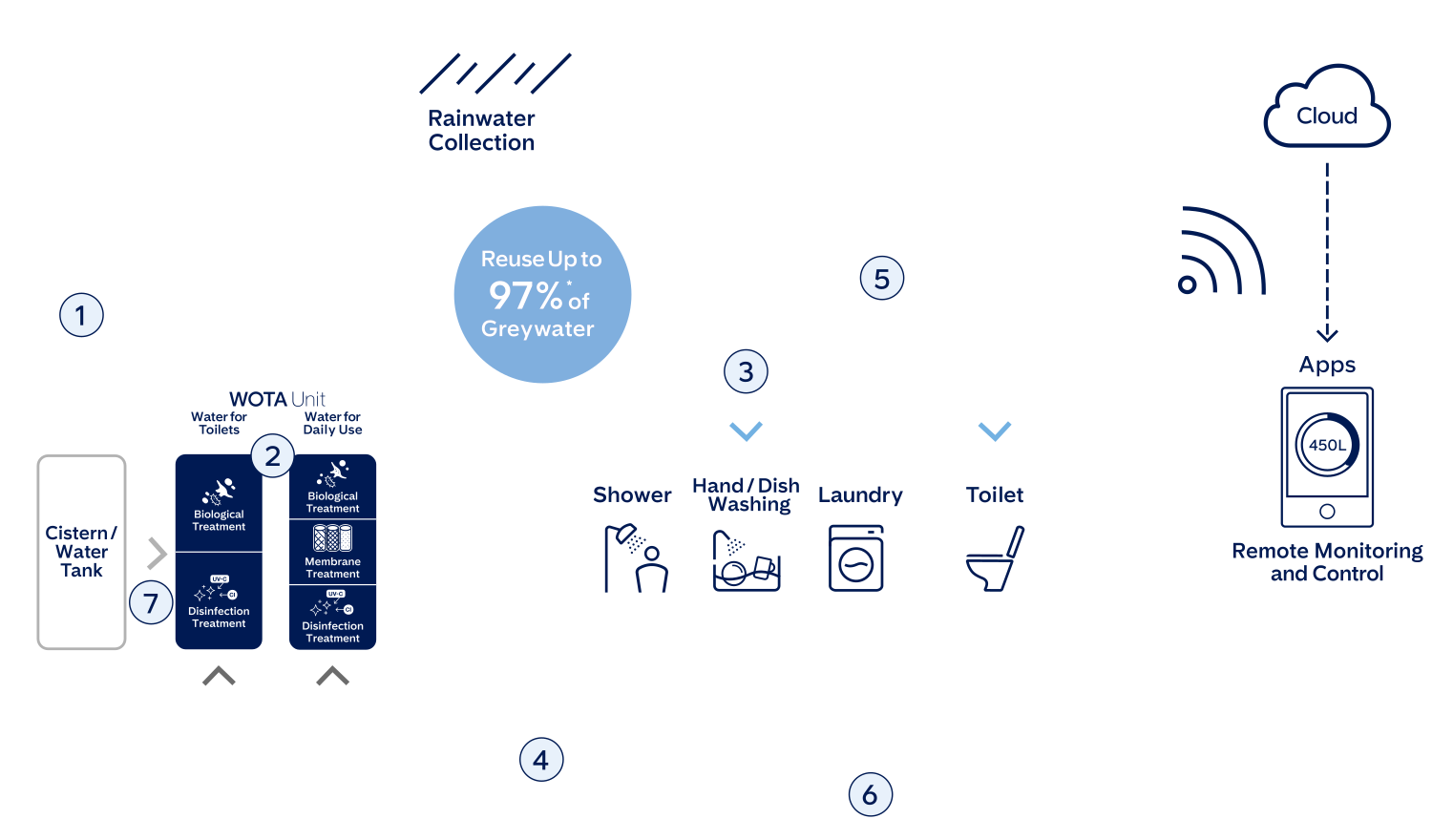
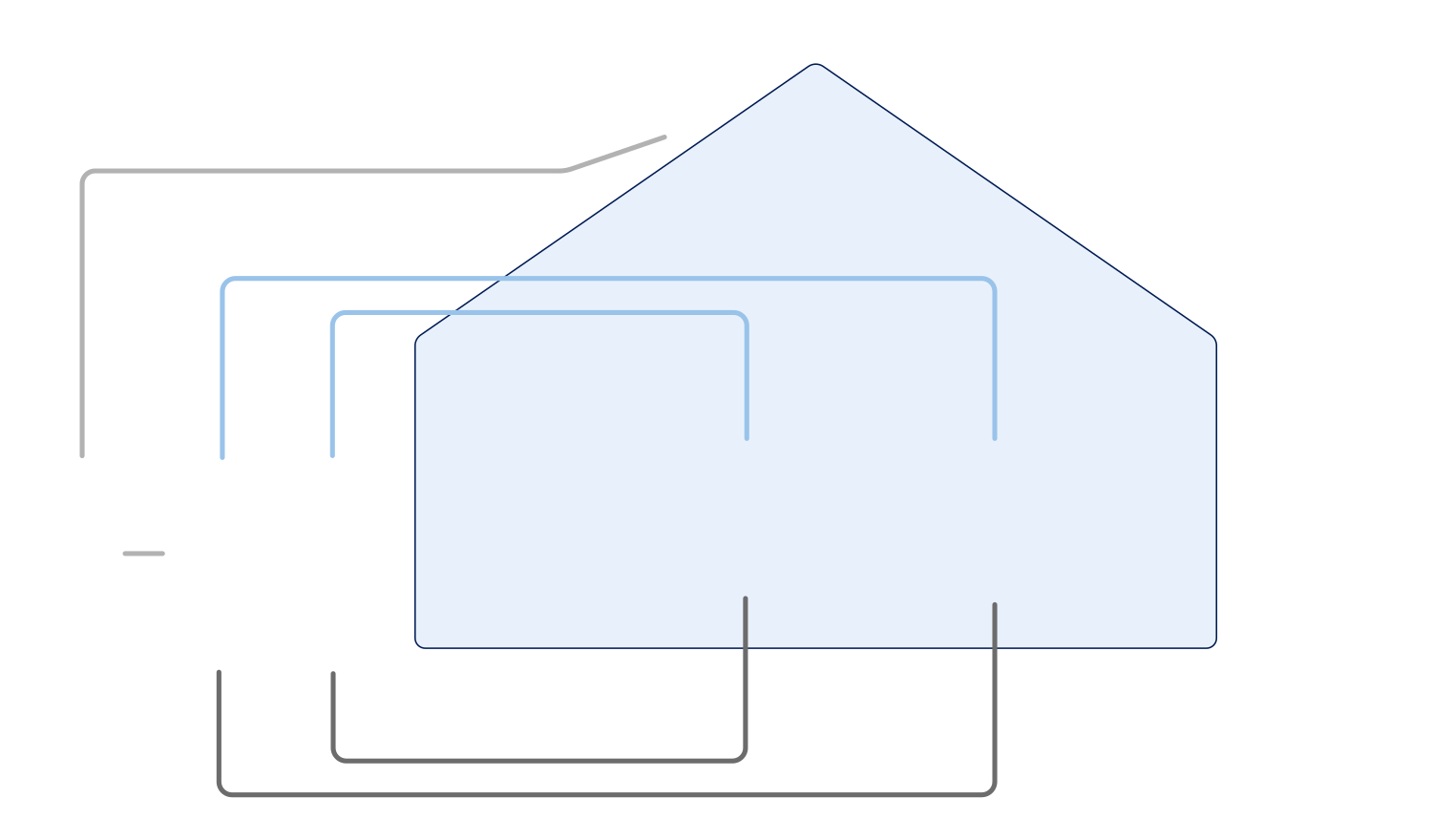
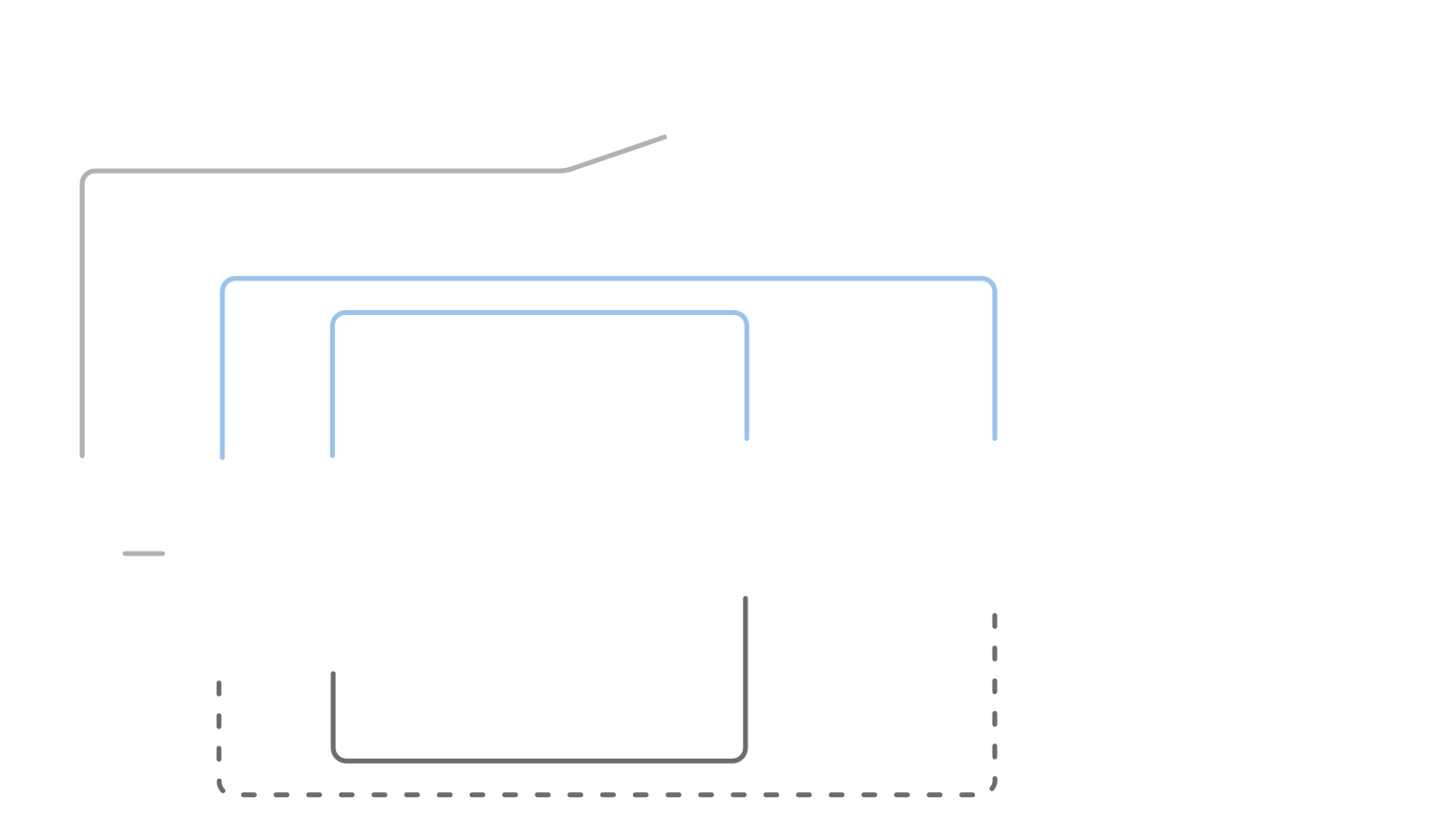
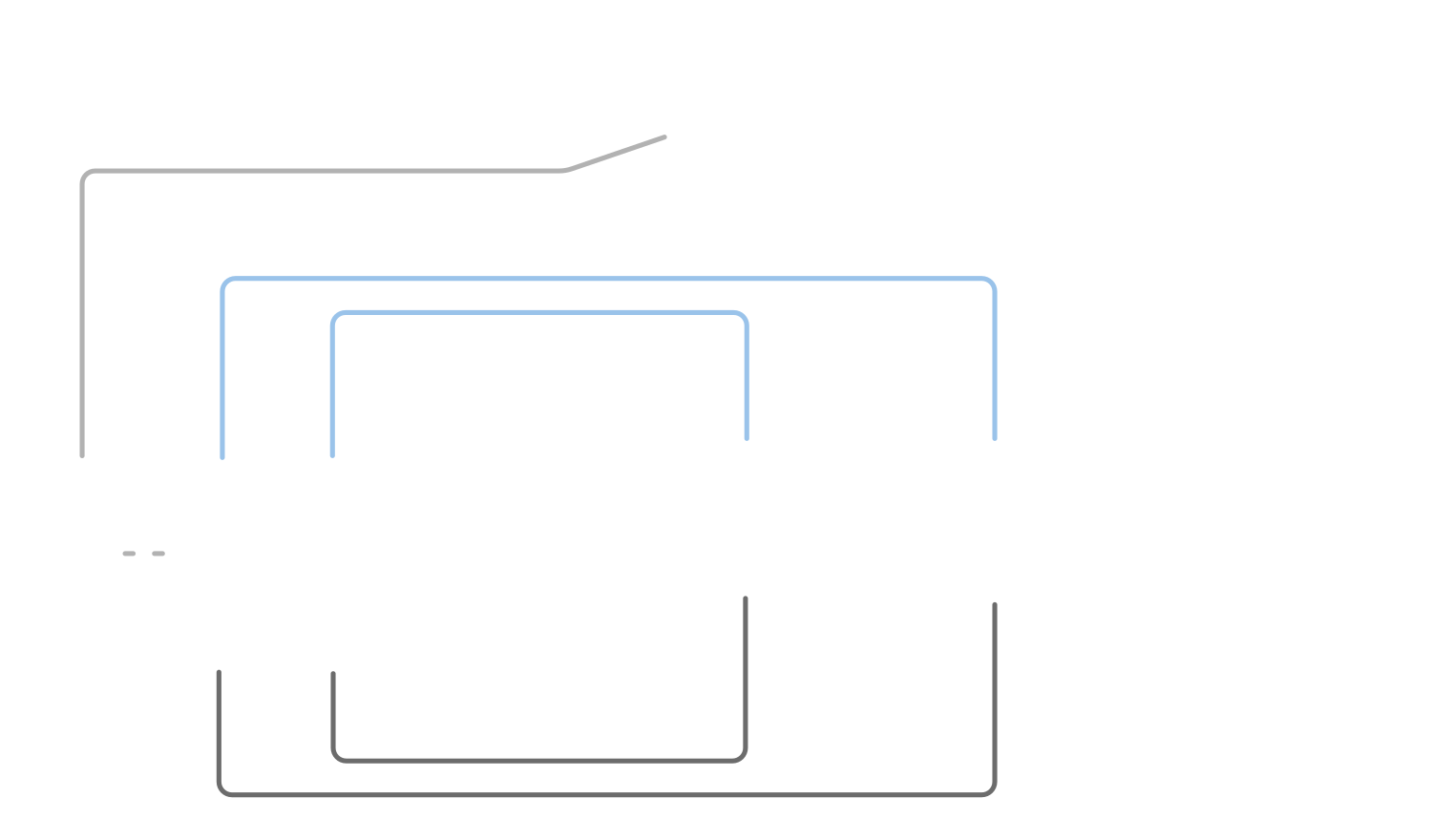
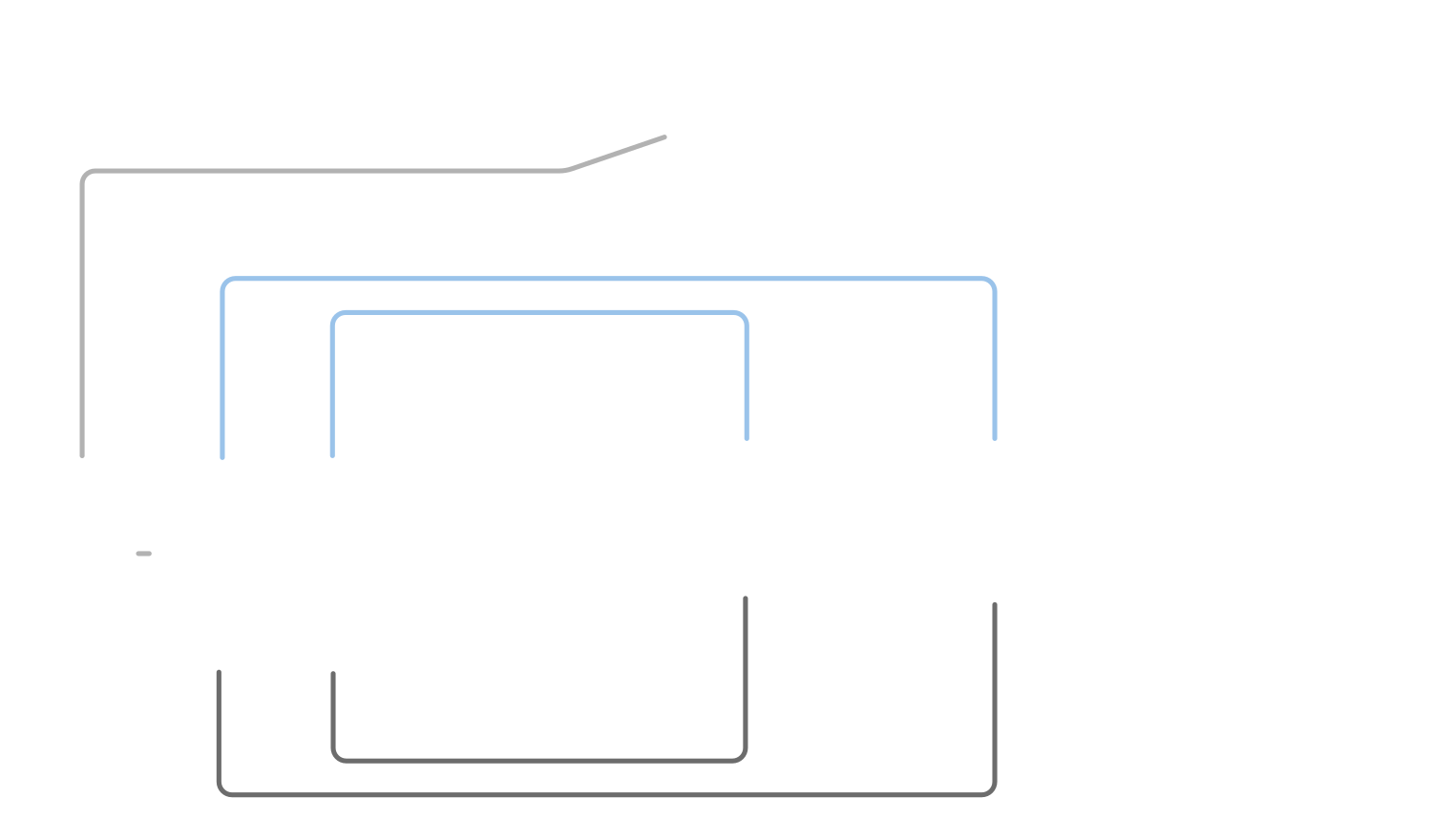
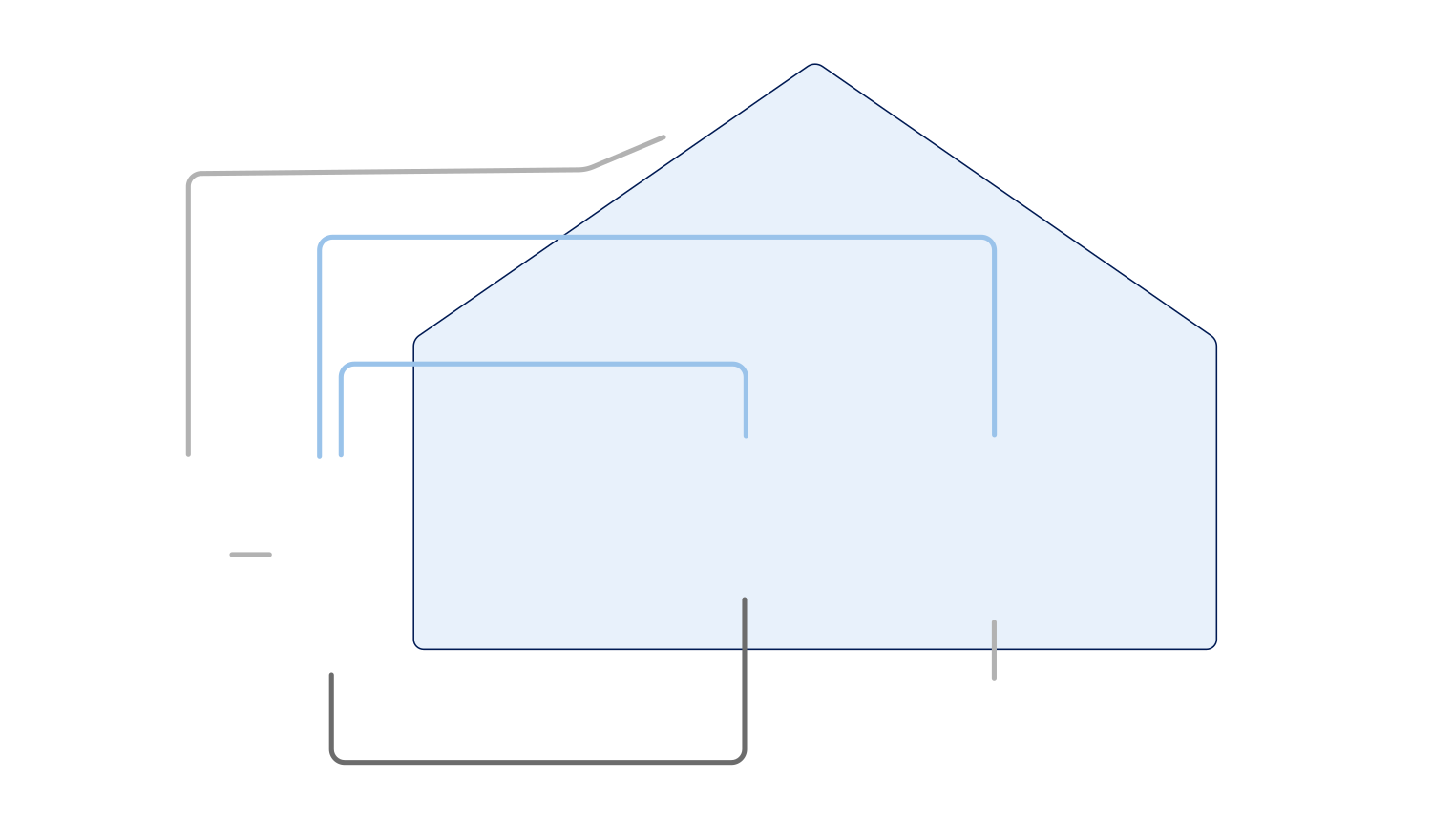
Rainwater is collected from the roof and stored in a tank.
Water is treated through biological treatment using microorganisms,
membrane filtration, and sterilization with UV light and chlorine.
This produces safe water for household use and toilet flushing.Showers, kitchens, and washing machines can be used just like
in a conventional home.- *1 Since water treatment takes time, the amount of water available at once is limited.
- *2 Although the water meets Japan’s Waterworks Act drinking-water quality standards (51 parameters), it is not recommended for drinking.
All wastewater from showers, kitchens, and washing machines is collected
and treated by the WOTA Unit (Domestic Water Regeneration Unit).- *3 Please do not pour chemicals or food waste that may overload the microorganisms or filters down the drain.
Flush water is supplied through a dedicated pipe.
- *4 Water quality for toilet flushing complies with the Ministry of Land, Infrastructure, Transport and Tourism’s “Manual on Water Quality Standards, etc. for Reuse of Treated Wastewater.” The same non-drinking water is used for bidet-equipped toilets (see note in Step 3).
- *5 In some cases, toilet fixtures may need to be modified.
Toilet wastewater is collected via a separate pipe and treated
by the Toilet Water Regeneration Unit.- *6 Please do not dispose of chemicals or substances that could burden the system’s microorganisms or filters.
Any reduction in water volume due to evaporation or the separation of
pre-treated RO byproduct water is replenished from the rainwater tank.- *7 Pre-treated RO byproduct water is generated as a byproduct separate from the treated water during advanced purification via reverse osmosis after organic matter has been largely removed. This byproduct is discharged and not reused.
Drinking water can be provided through bottled water or water dispensers.
A drinking water unit that treats rainwater is currently under development.
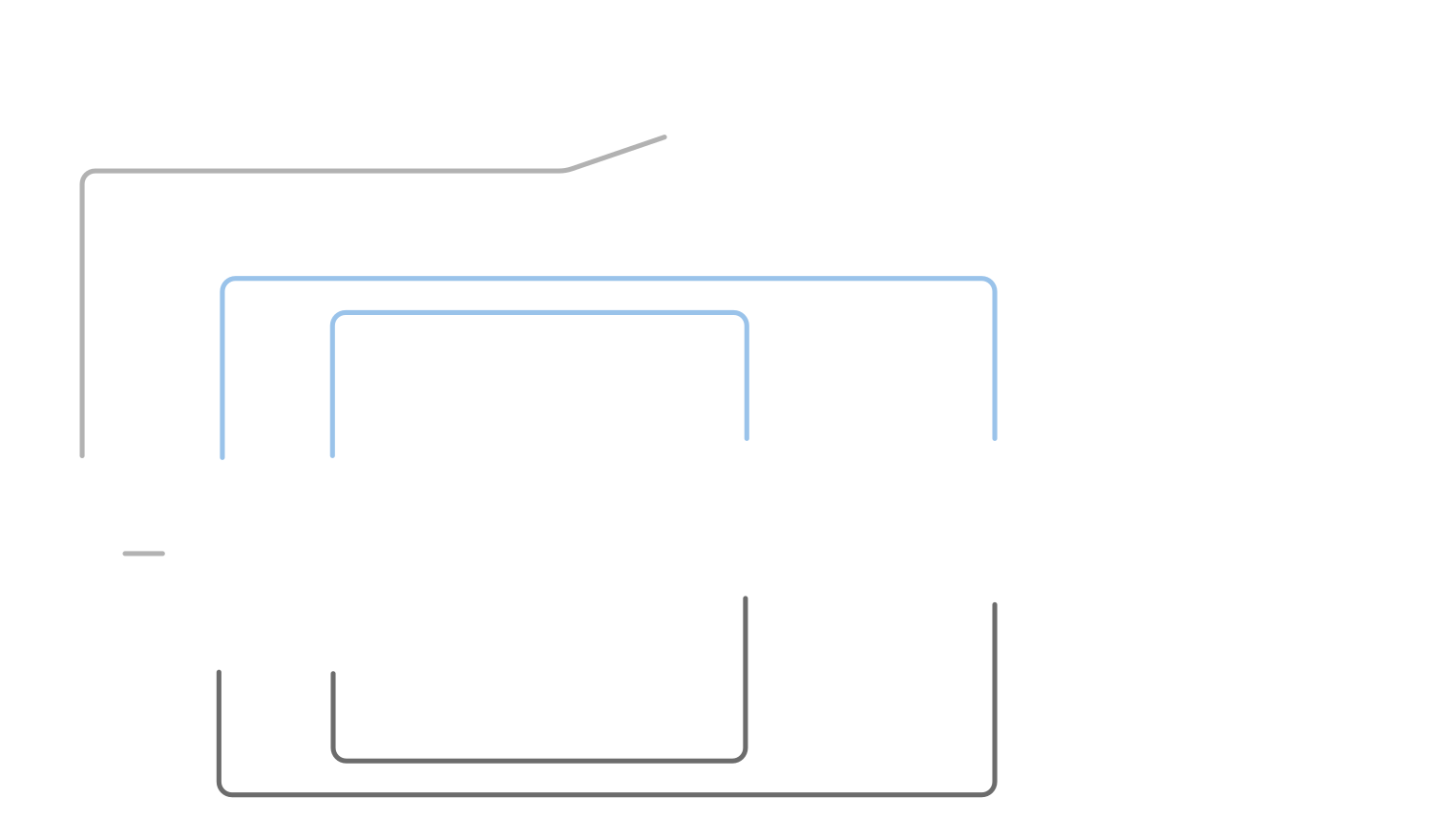
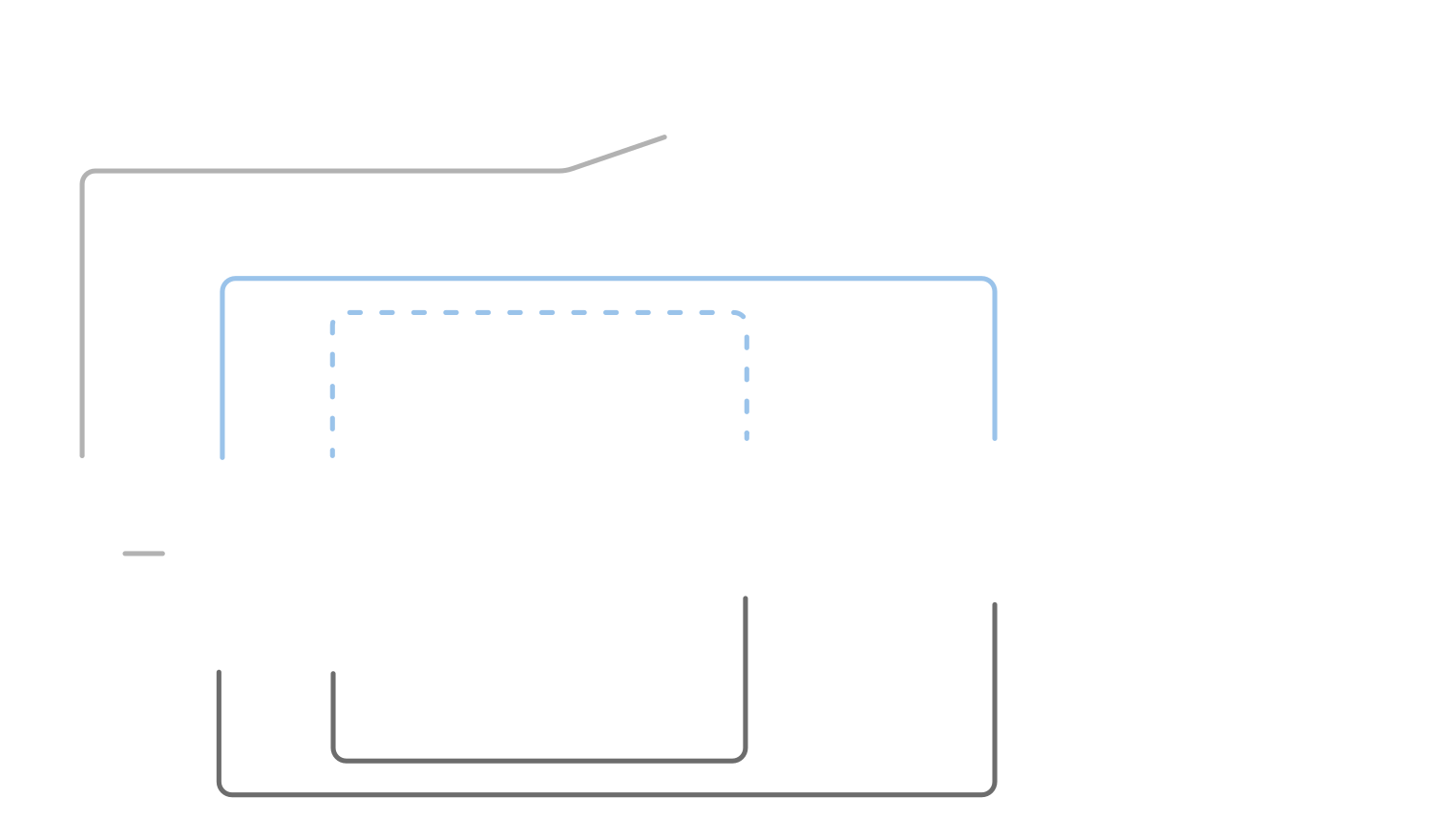
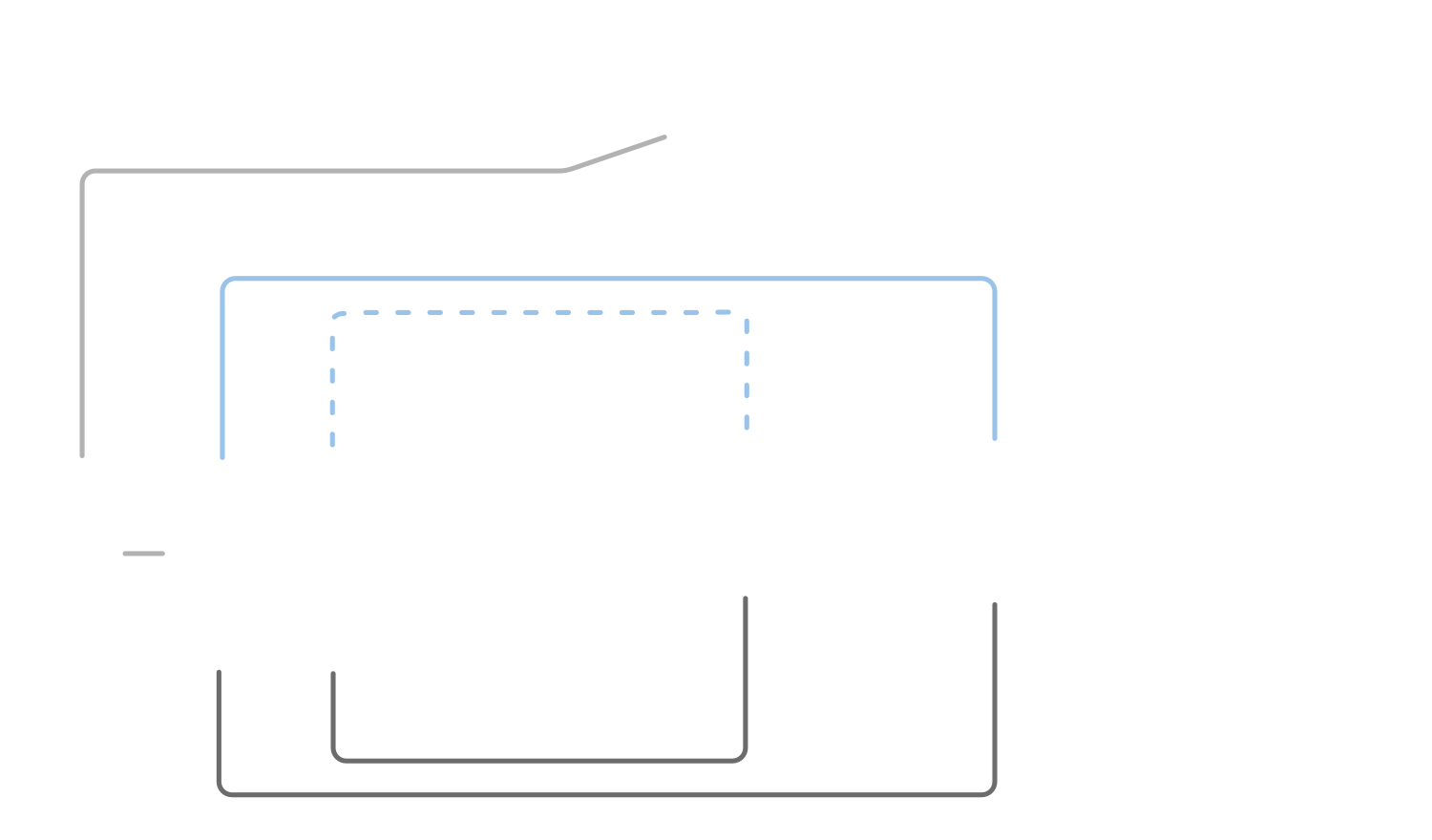
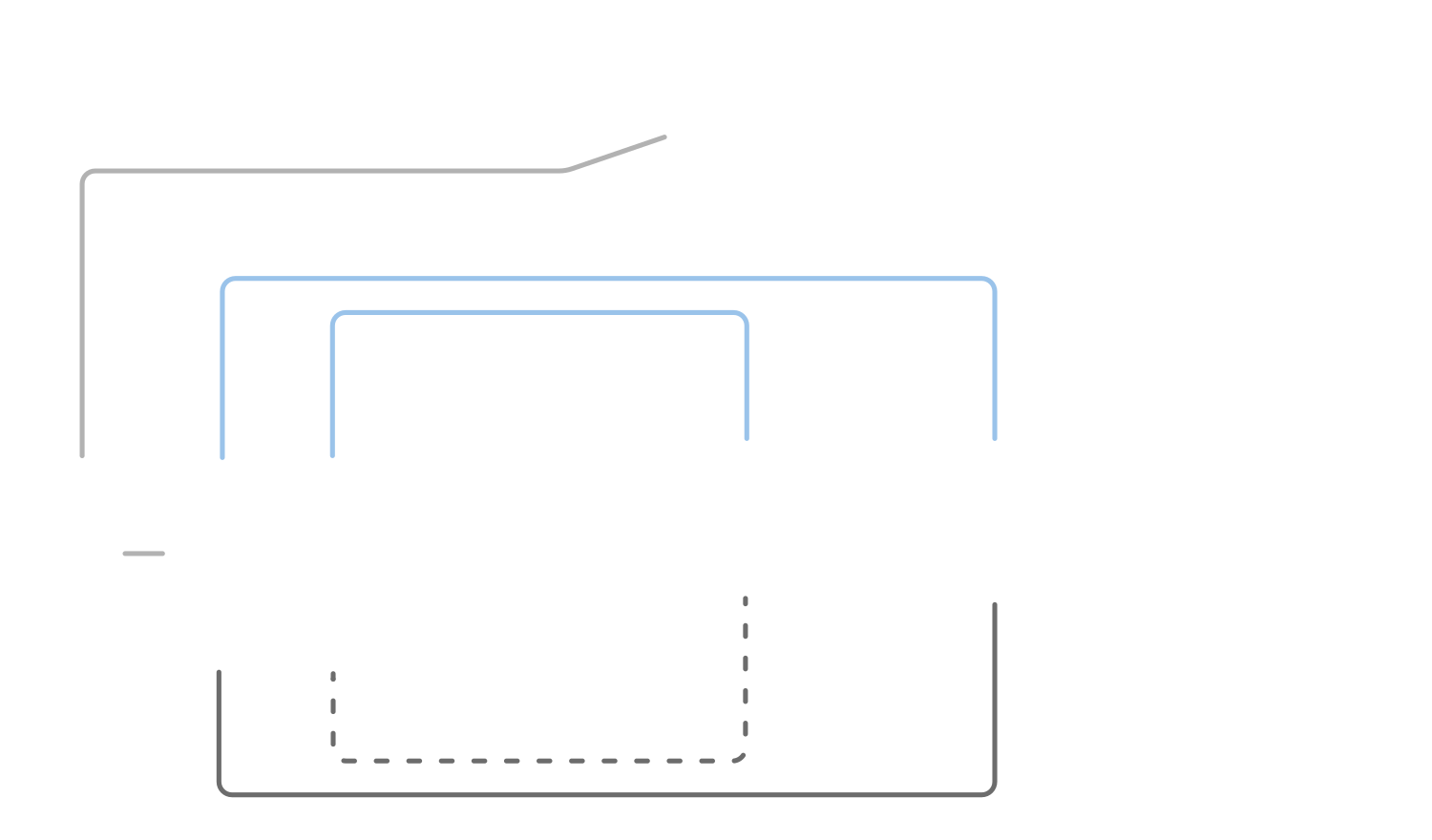
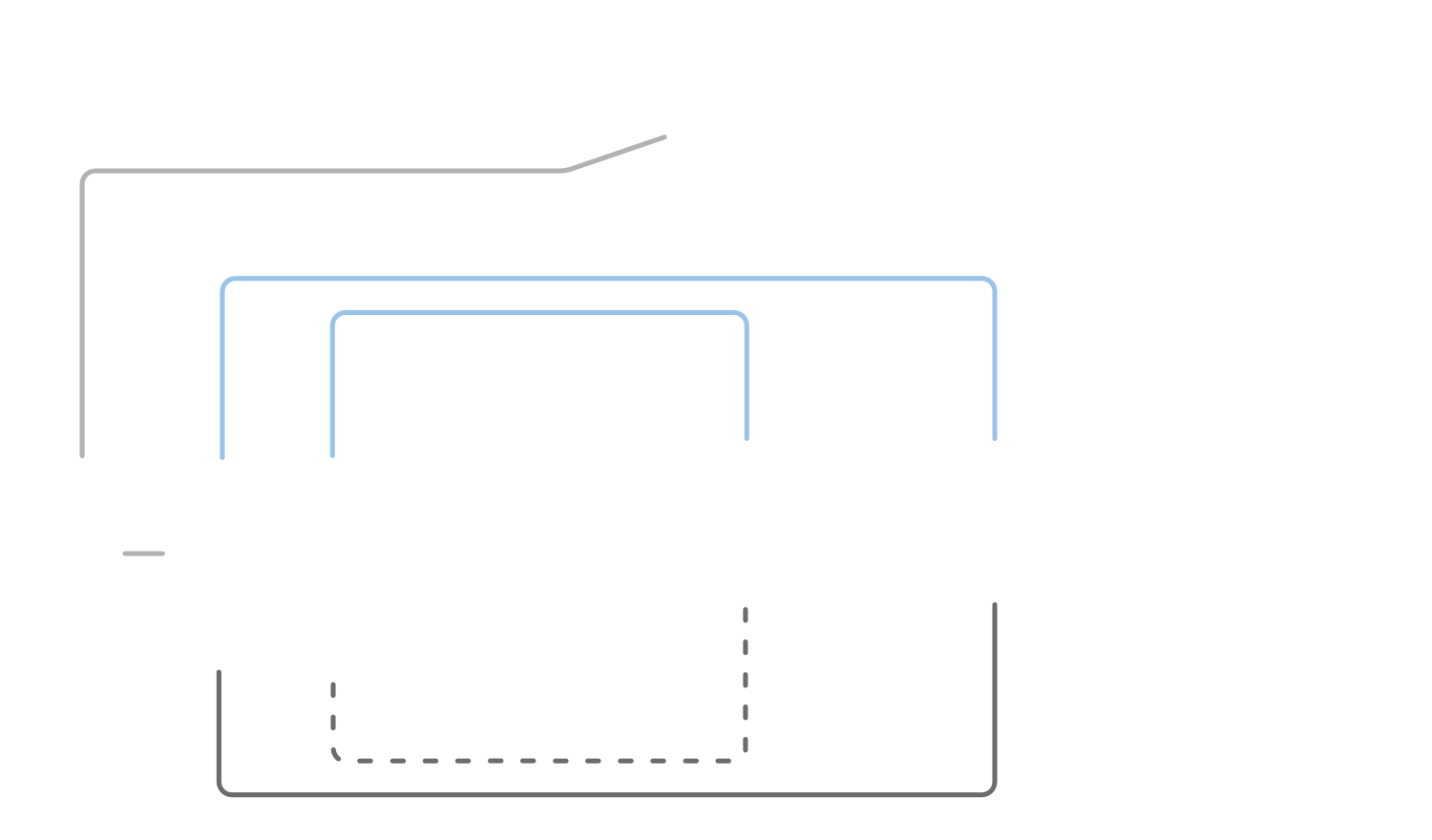
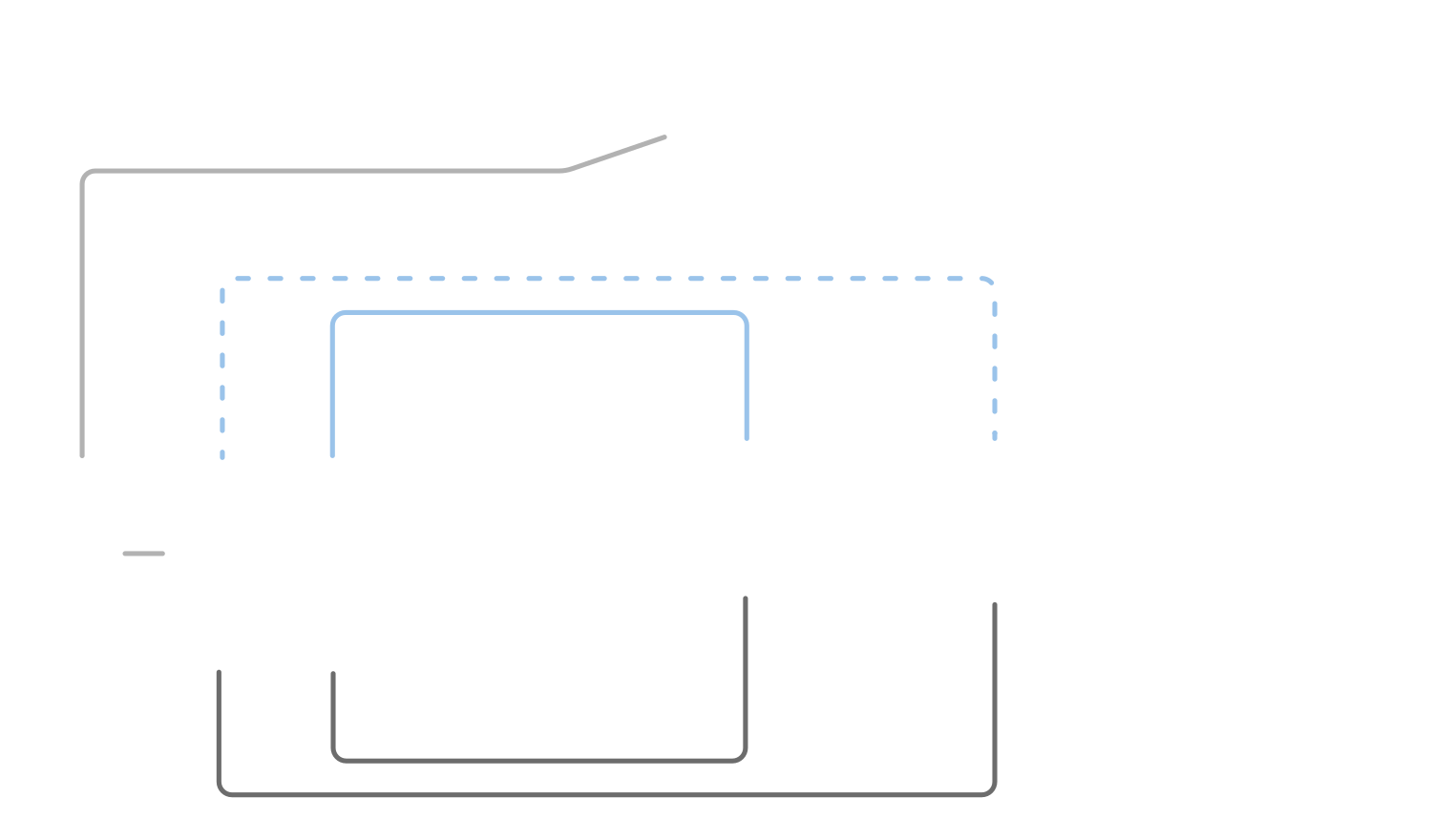
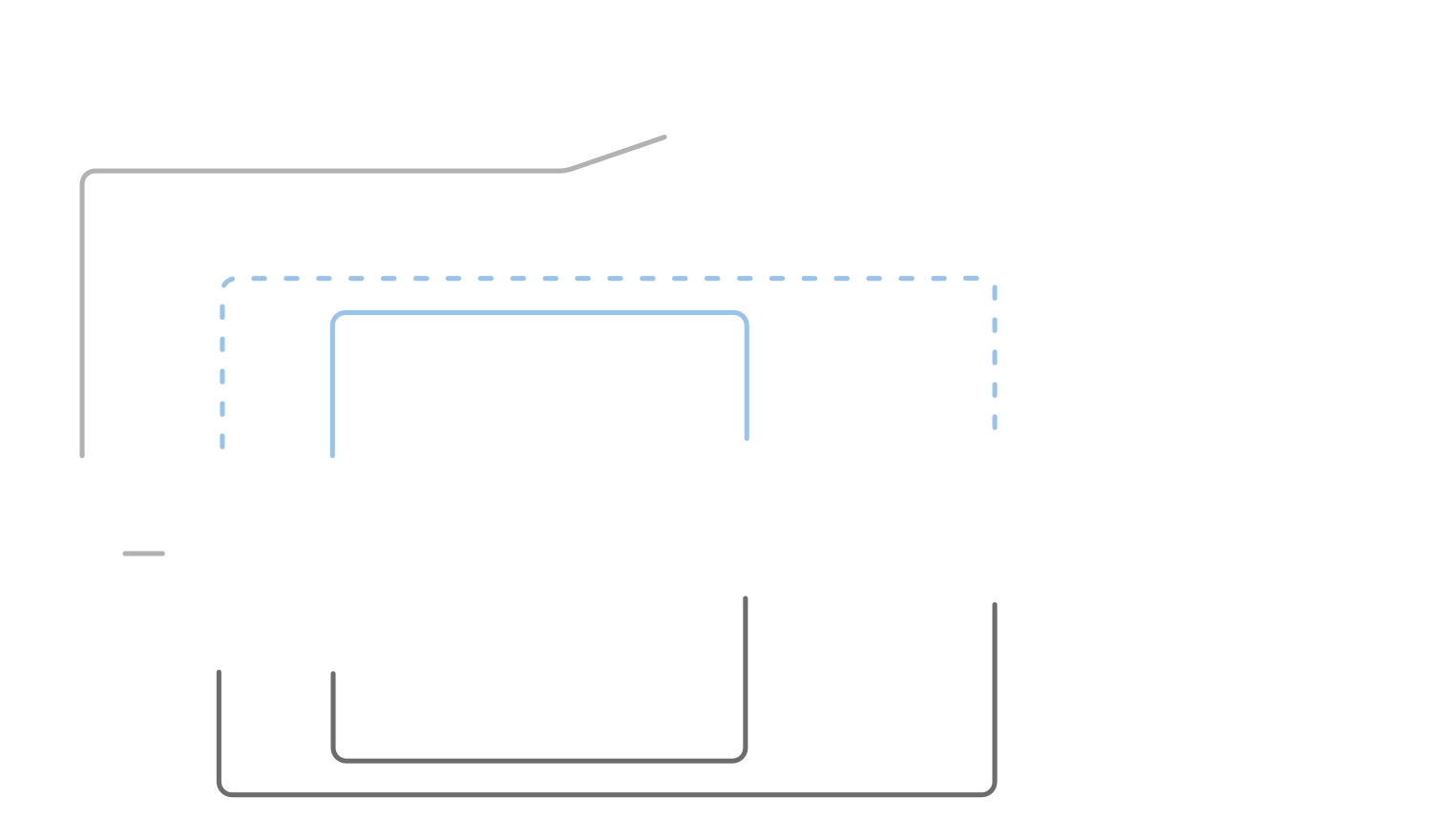
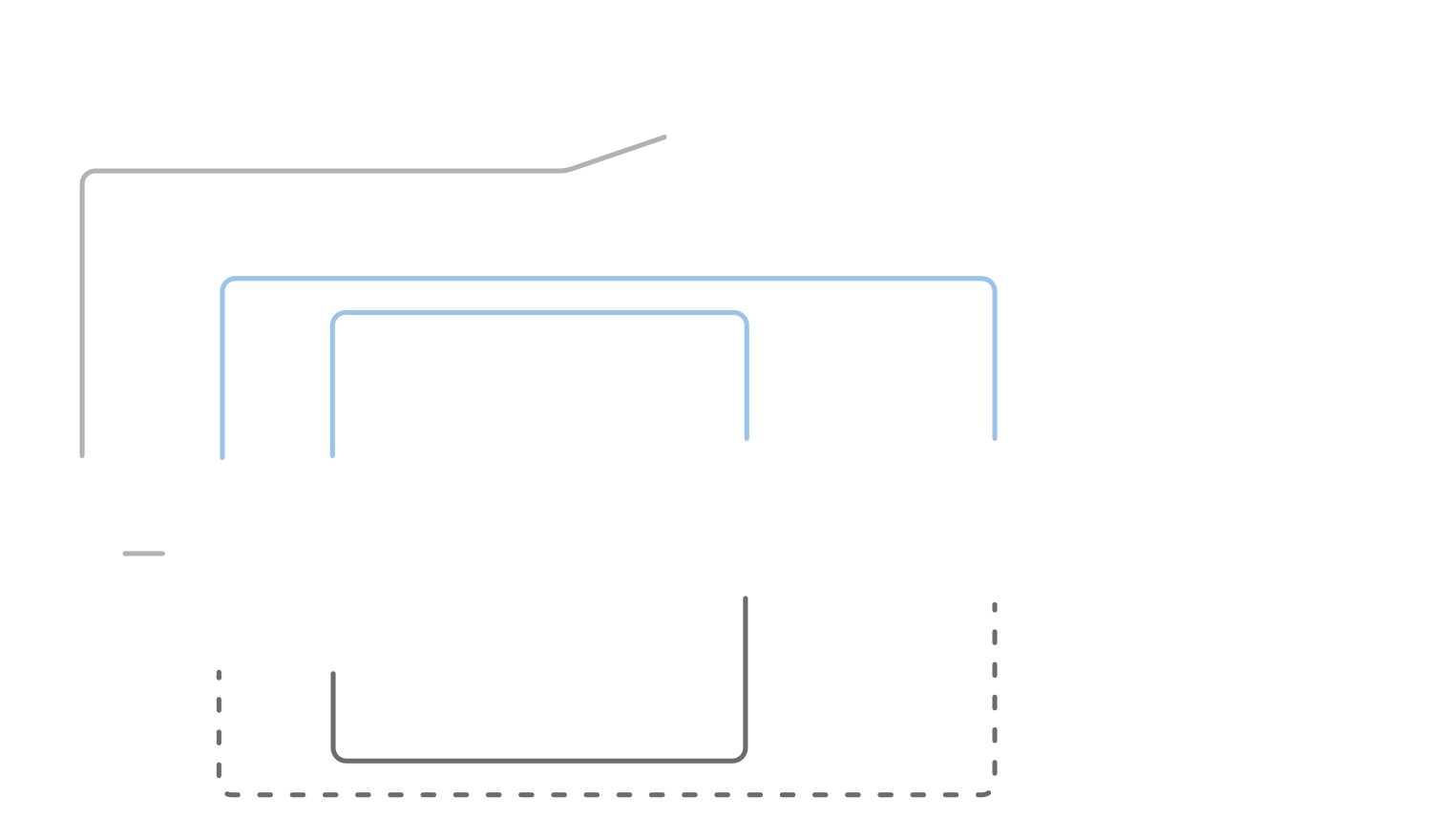
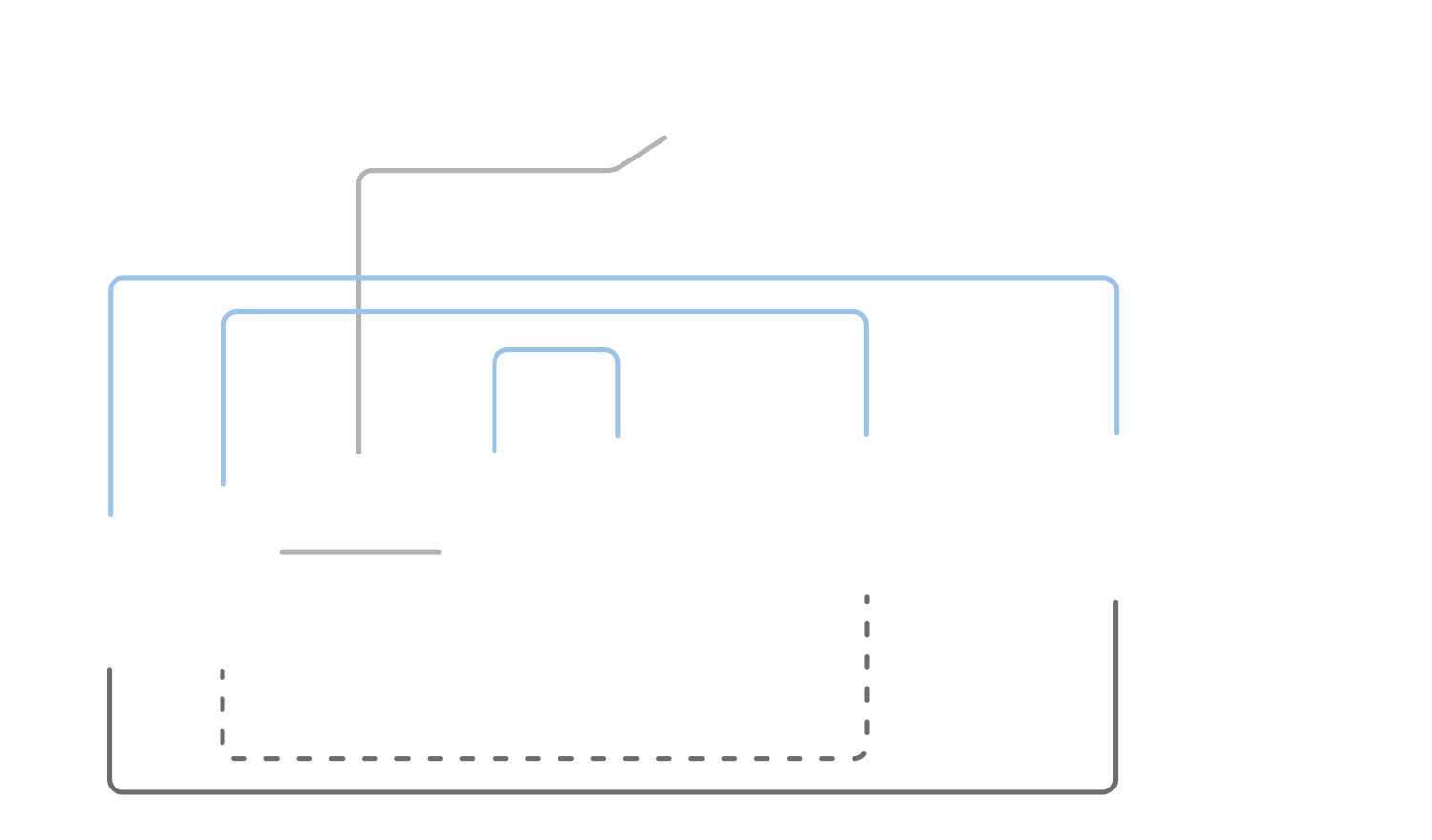
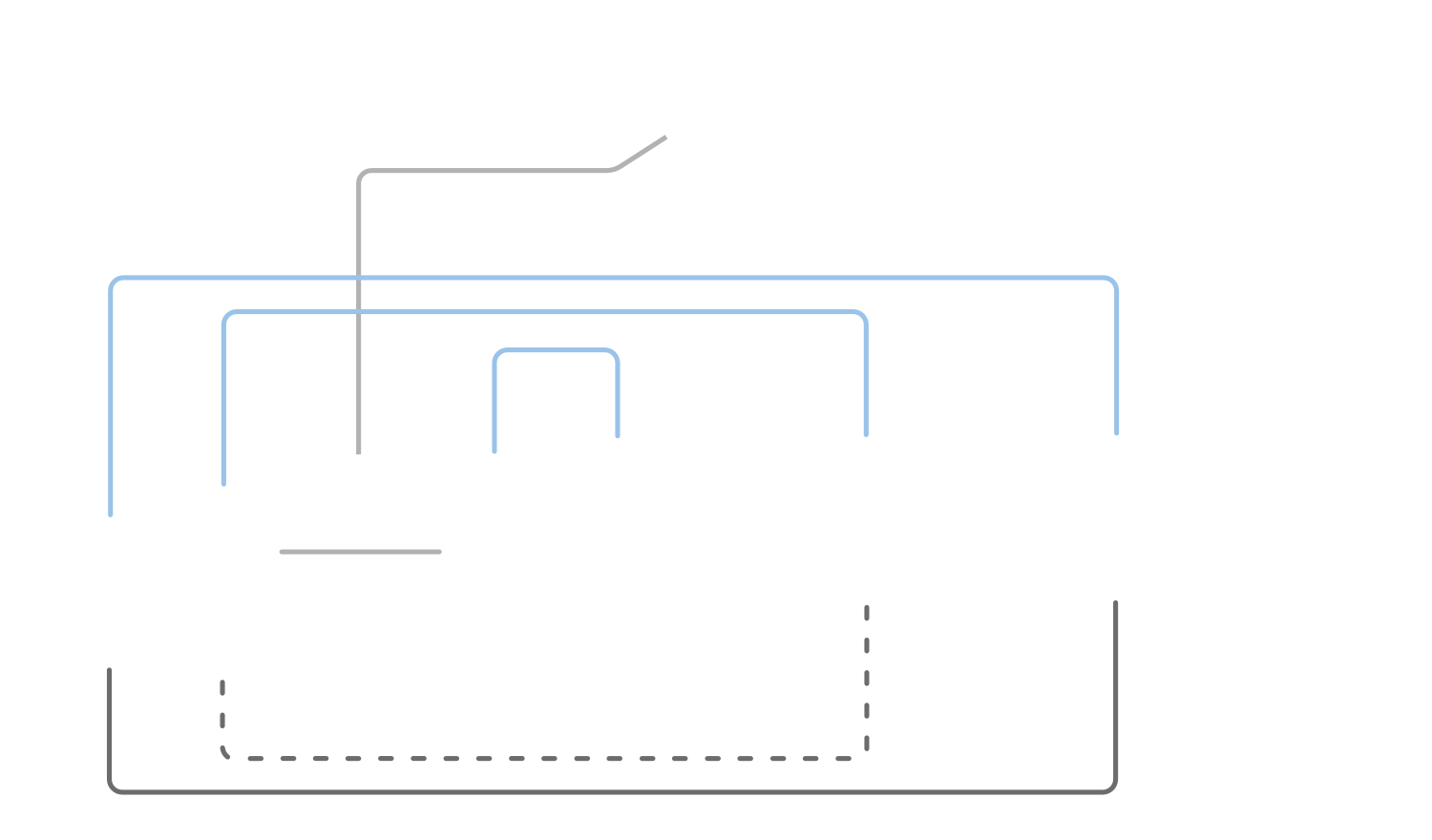
* Actual results may vary depending on usage and conditions.
Rainwater is collected from the roof and stored in a tank.
Water is treated through biological treatment using microorganisms,
membrane filtration, and sterilization with UV light and chlorine.
This produces safe water for household use and toilet flushing.Showers, kitchens, and washing machines can be used just like
in a conventional home.- *1 Since water treatment takes time, the amount of water available at once is limited.
- *2 Although the water meets Japan’s Waterworks Act drinking-water quality standards (51 parameters), it is not recommended for drinking.
All wastewater from showers, kitchens, and washing machines is collected
and treated by the WOTA Unit (Domestic Water Regeneration Unit).- *3 Please do not pour chemicals or food waste that may overload the microorganisms or filters down the drain.
Flush water is supplied through a dedicated pipe.
- *4 Water quality for toilet flushing complies with the Ministry of Land, Infrastructure, Transport and Tourism’s “Manual on Water Quality Standards, etc. for Reuse of Treated Wastewater.” The same non-drinking water is used for bidet-equipped toilets (see note in Step 3).
- *5 In some cases, toilet fixtures may need to be modified.
Toilet wastewater is collected via a separate pipe and treated
by the Toilet Water Regeneration Unit.- *6 Please do not dispose of chemicals or substances that could burden the system’s microorganisms or filters.
Any reduction in water volume due to evaporation or the separation of
pre-treated RO byproduct water is replenished from the rainwater tank.- *7 Pre-treated RO byproduct water is generated as a byproduct separate from the treated water during advanced purification via reverse osmosis after organic matter has been largely removed. This byproduct is discharged and not reused.
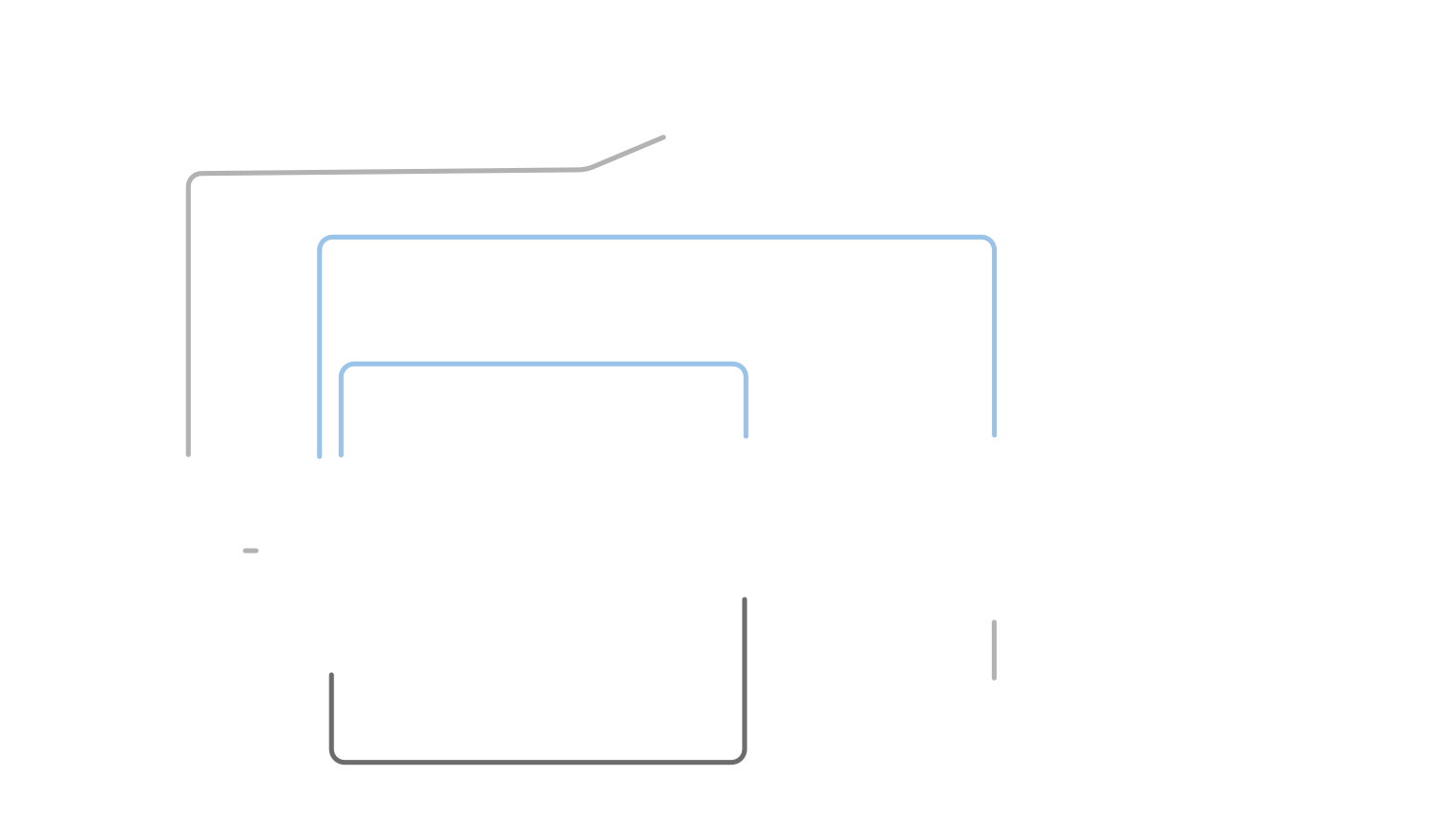
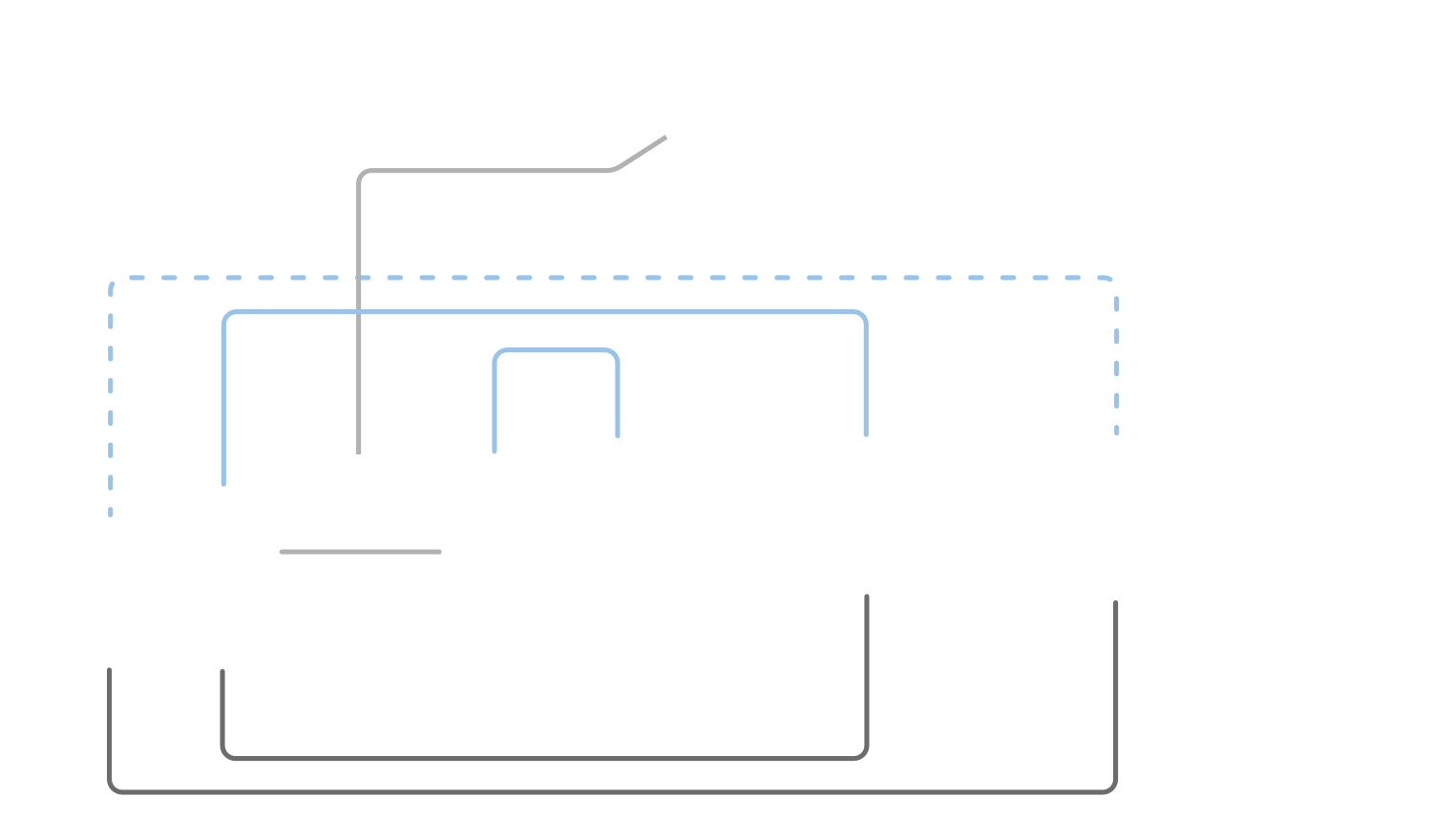
* Actual results may vary depending on usage and conditions.
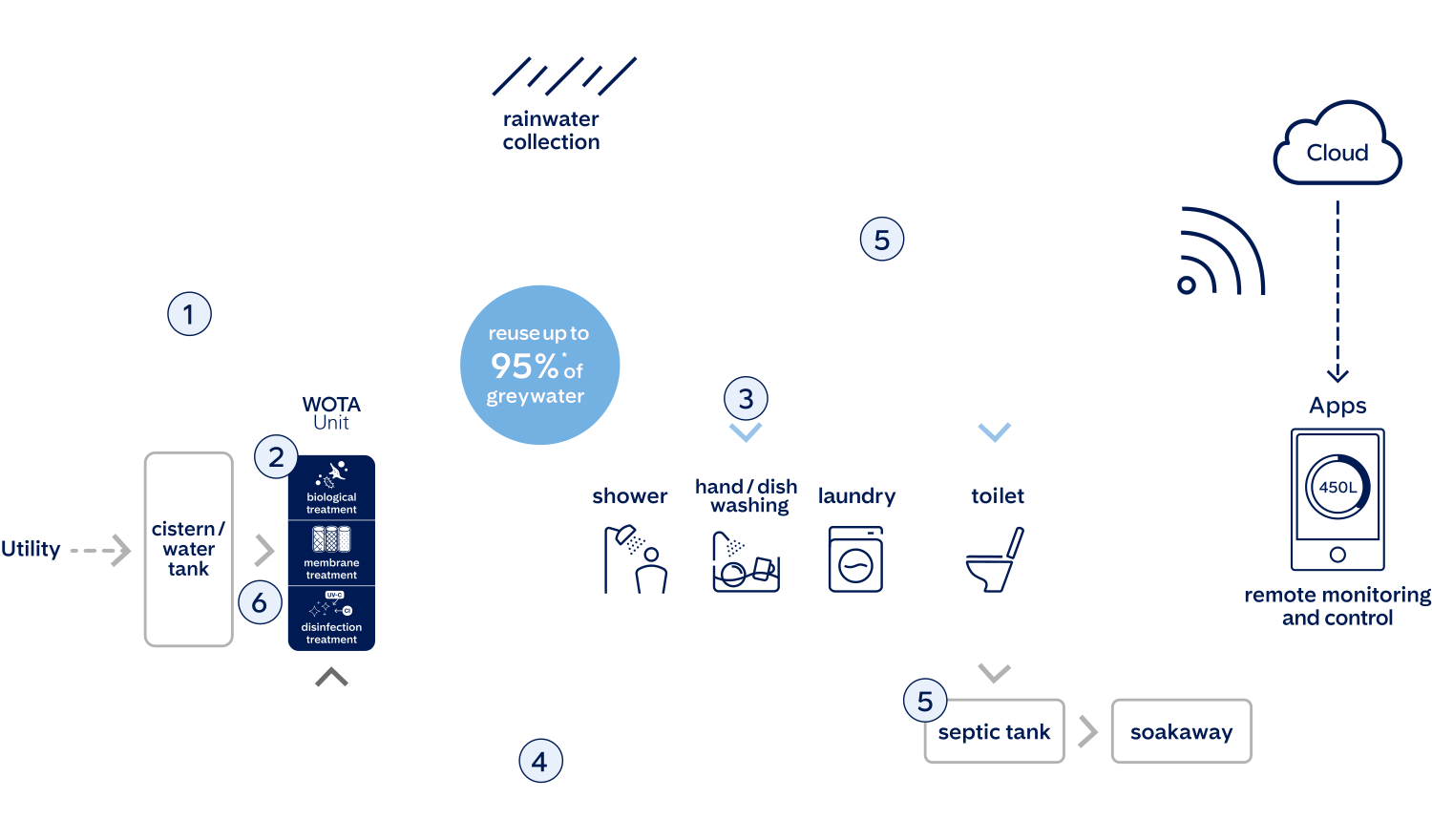
Rainwater is collected from the roof and stored in a tank.
Water is treated through biological treatment using microorganisms,
membrane filtration, and sterilization with UV light and chlorine.
This produces safe water for household use and toilet flushing.Showers, kitchens, and washing machines can be used just like
in a conventional home.- *1 Since water treatment takes time, the amount of water available at once is limited.
- *2 Although the water meets Japan’s Waterworks Act drinking-water quality standards (51 parameters), it is not recommended for drinking.
All wastewater from showers, kitchens, and washing machines is collected
and treated by the WOTA Unit (Domestic Water Regeneration Unit).- *3 Please do not pour chemicals or food waste that may overload the microorganisms or filters down the drain.
Toilet wastewater will continue to be discharged to the sewer system, septic tank,
or other appropriate wastewater treatment facilities as before, and will not mix with the treated water.- *4 Water quality for toilet flushing complies with the Ministry of Land, Infrastructure, Transport and Tourism’s “Manual on Water Quality Standards, etc. for Reuse of Treated Wastewater.” The same non-drinking water is used for bidet-equipped toilets (see note in Step 3).
- *5 In some cases, toilet fixtures may need to be modified.
Any reduction in water volume due to evaporation or the separation of
pre-treated RO byproduct water is replenished from the rainwater tank.- *6 Pre-treated RO byproduct water is generated as a byproduct separate from the treated water during advanced purification via reverse osmosis after organic matter has been largely removed. This byproduct is discharged and not reused.
technology
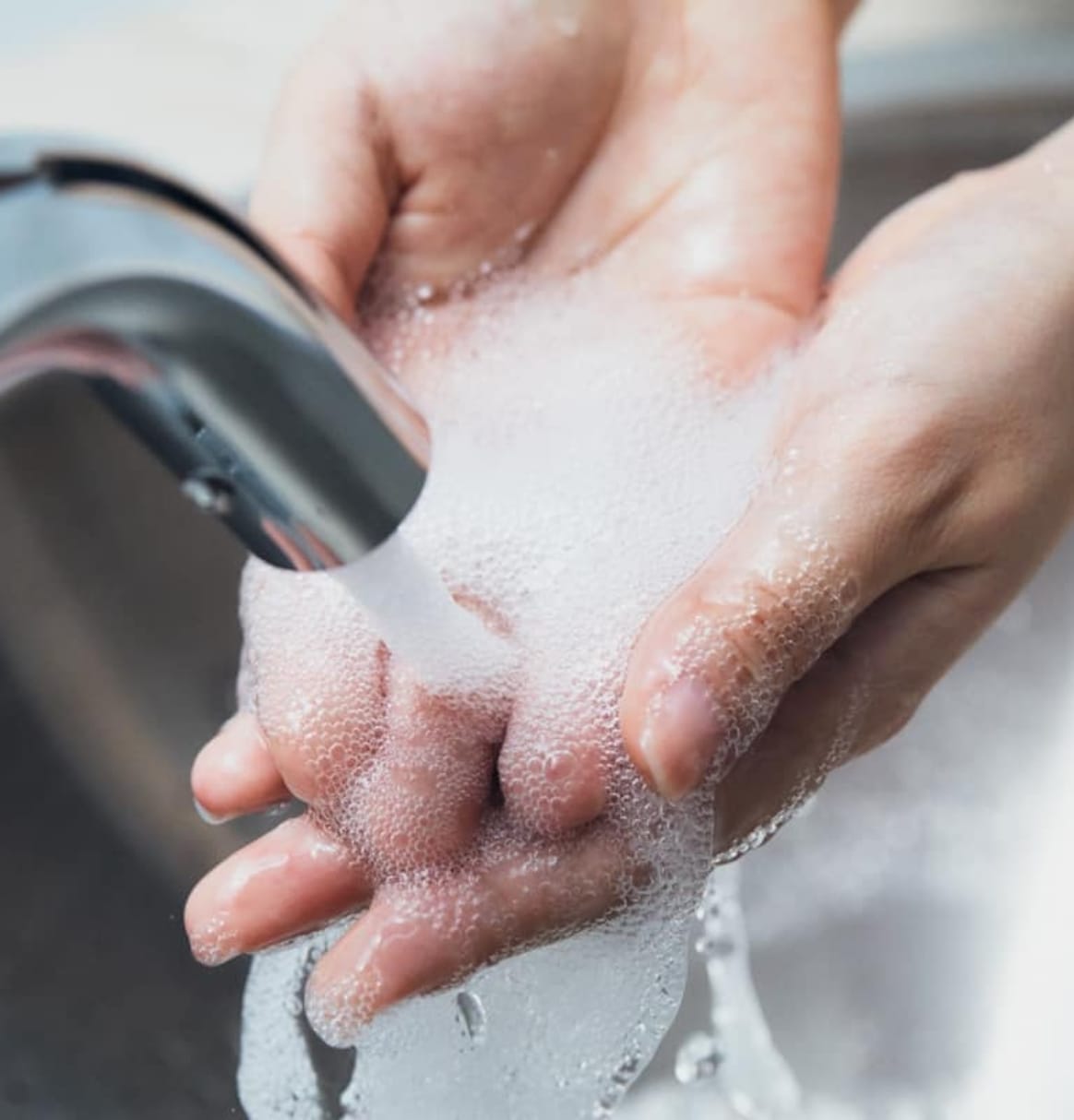
What ensures the safety of the WOTA Unit is our proprietary autonomous water treatment control technology. The system monitors water quality, water pressure, and other parameters using sensors, and automatically controls the operation of the equipment through algorithms to maintain optimal system conditions. Thanks to this technology, advanced water treatment — typically performed in large-scale water purification or sewage treatment plants under the supervision of professional operators—can now be carried out in ordinary households. The quality of water supplied by the WOTA Unit complies with the WHO Guidelines for drinking-water quality.
specs Domestic Water Regeneration Unit
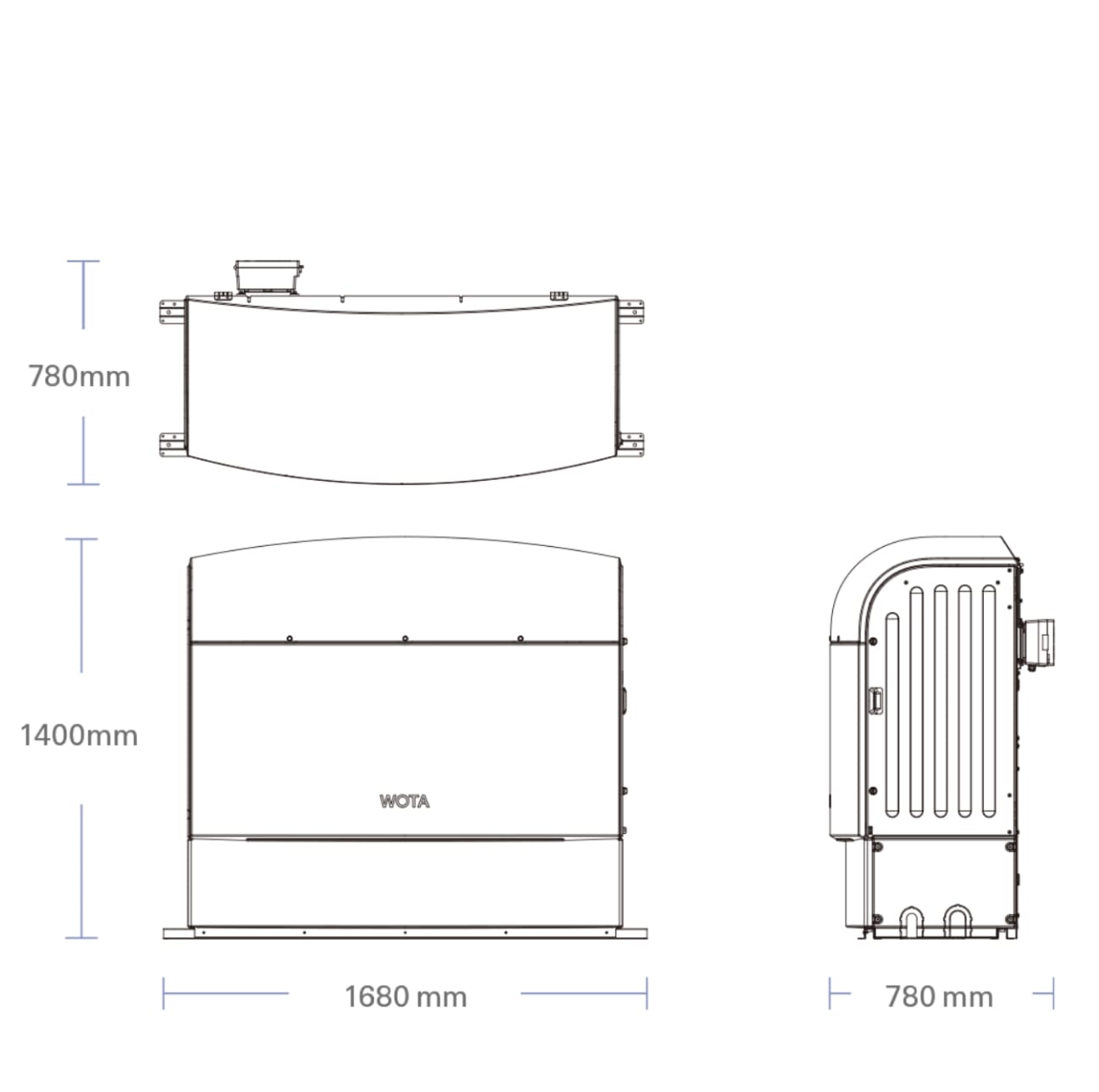
| Size | W 1680mm (66.14in) × D 780mm (30.71 in) × H 1400mm (55.12 in) |
|---|---|
| Main unit weight | 170 kg (when dry) |
| Power Supply | Power supplies vary by region, but are compatible with all regional standards. |
| Rated Power | 400 W *When the water temperature drops, the heater activates to maintain biological treatment, and power consumption increases. |
| Source Water | Greywater from showers, sinks, laundry machines (Up to 97% regenerating with rainwater replenishment) |
| Treatment Capacity | 438 – 720 L /day (116 – 190 US gal /day) |
| Use Environment | 0℃ (32°F)* to 40℃ (104°F), Tested for corrosion and strong winds (equivalent to Category 3 hurricanes). |
* If the installation site is susceptible to freezing conditions,
please select the cold-climate specification option.
WOTA Unit is currently under development for mass production with support from the New Energy and Industrial Technology Development Organization (NEDO), a national research and development agency in Japan.
Please note that the specifications and performance are subject to change as development progresses.